TL;DR
| Thoropass is a compliance platform combining automation with advisory services and integrated audits for frameworks like SOC 2, ISO 27001, HIPAA, PCI DSS, and GDPR. |
| Strengths: connected audit model, in-platform auditors, guided compliance support, and solid evidence automation. |
| Limitations: higher pricing, advisory-dependent workflows, limited customization, and slower performance at scale. |
| Typical costs vary widely, but median deals are around ~$30K/year, with additional fees for audits, frameworks, and consulting services. |
Thoropass is a compliance platform that blends automation with advisory support. It helps companies prepare for audits across SOC 2, ISO 27001, and HIPAA frameworks.
But the platform leans heavily on advisory. That’s why it can introduce dependencies and slower turnaround times as organizations grow.
A Quick Thoropass Overview
Thoropass gets a 7/10 for its blend of automation, advisory support, and integrated audits. The platform is approachable and well-supported. However, it loses points for limited customization and slower performance as organizations scale.
Here’s a quick look at what stood out in our review:
Key features
- “Connected audit” model with in-platform auditors and First Pass AI
- Automation for evidence collection, tasks, and reminders
- Coverage for SOC 2, ISO 27001, HIPAA, PCI DSS, HITRUST, GDPR, and more
- Risk register, vendor tracking, and access reviews for ongoing oversight
- Security testing add-ons, including penetration tests with 90-day free retesting
- Integrations with 100+ tools like AWS, Okta, and GitHub
Pros
- Easy-to-use dashboard and clear task organization
- Strong advisory support with compliance experts
- Saves time by combining audits and compliance in one platform
Cons
- Pricing lacks transparency, runs higher than automation-only tools, and can add up quickly
- Integrations require more manual setup than competitors
- Advanced analytics and reporting are still catching up to larger GRC platforms
- The advisory-heavy model may feel unnecessary for mature compliance teams
Overall Verdict: 7/10
Thoropass pricing
Thoropass’ costs vary based on your audit scope, the frameworks you need, and the complexity of your environment. On its website, Thoropass notes that customers typically save 25-50% compared to hiring a traditional audit firm. That’s because it includes both the software and auditors in one package.
That said, actual numbers reported by buyers give us a better picture. According to Vendr, the median Thoropass deal is around $30,728 annually. Other sources mention a base cost of $8,700 annually, plus $5,800 for a SOC 2 audit. There are additional charges depending on how many frameworks you add.
From Thoropass’ own breakdown, the costs of specific SOC 2 services can look like this:
| Service | Estimated cost | Timeline |
| Gap analysis | $5,000-$10,000 | 1 week |
| Control implementation | $5,000-$10,000 | 1-6 months |
| Risk assessment and readiness | $10,000-$17,000 | 2 weeks |
| SOC 2 type 1 audit | $12,000-$27,000 | 2-3 months |
| SOC 2 type 2 audit | $15,000-$100,000+ | 3-9 months |
| Policy templates and writing | $5,000-$10,000 | 2 weeks |
| Internal training | $1,000/50 employees | 2 weeks |
On top of this, hiring consultants or CISOs for compliance expertise can cost $200 to $550 per hour. Add in background checks, vulnerability scanning, and policy drafting; the total bill climbs quickly.
Thoropass makes sense if you want bundled software and audit services, and you’re comparing it to the cost of working with a traditional audit firm. But for smaller or leaner teams, the price tag can be daunting. This is especially true when you factor in ongoing audits, advisory costs, and vendor add-ons.
Verdict: 6/10
Thoropass usability and interface
Thoropass’ unified dashboard aims to make compliance easier. However, even with the platform’s helpful features, feedback shows that larger workloads can still trip up its usability.
Here’s where Thoropass stands out:
1. Design clarity
Reviewers repeatedly highlight Thoropass as “very easy to use,” with helpful touches like an accessible risk register and a reasonably clean interface.
2. Task organization
Features like the people table, task reminders, and dashboard summaries help clear assignments and progress across teams.
3. Support woven into the platform
Users are very appreciative of Success Managers and in-platform guidance.
4. Task automation
Once controls are set, the system automatically generates tasks for control owners based on frequency.
Here’s where Thoropass falls behind:
1. Cluttered UI
Users report that handling many controls or audit artifacts makes the interface crowded and complex.
2. Customization limits
Some users would like the ability to add custom fields and have finer control over features like email notification settings.
3. Sluggish performance
The tool can be slow, disrupting workflow during critical phases.
4. Lack of clarity in workflows
Sometimes, it’s unclear what exactly needs doing. This is especially true with evidence submission, where some users have reported turning to auditors for clarification.
5. Integration setup
Some integrations don’t connect smoothly and need manual adjustments before they work properly.
6. Learning curve for controls
A few controls aren’t self-explanatory, so users spend extra time figuring out what’s required.
Thoropass is approachable and well-organized for most teams, with valuable tools for collaboration and onboarding. However, performance hiccups and interface clutter can slow down teams as complexity grows.
Verdict: 6.5/10
Thoropass core functionalities
Here’s a breakdown of Thoropass’ core features and how they perform in real life:
1. Automation
Thoropass automates much of the manual work involved in compliance. It connects with cloud platforms, identity providers, and version control systems. This lets you automatically gather evidence, map it to relevant controls, and update compliance status in real time. Managers can assign tasks, set reminders, and track training completion inside the same portal.
That said, the automation isn’t completely hands-off. Some integrations require manual configuration, and specific steps depend on guided templates rather than full automation. For some teams, this can feel slower than platforms designed to be automation-first.
Thoropass organizes compliance, but it still relies on templates and advisory support and doesn’t fully eliminate manual effort.
Verdict: 7.5/10
2. Audit readiness
Thoropass’ main differentiator is its “connected audit” model. It provides in-platform auditors who run readiness checks and use its First Pass AI to flag gaps before a formal audit begins.
Most customers appreciate having both the software and auditors under one roof. But some report delays when reps change mid-project or support requires scheduled sessions.
This is a great tool for audit readiness, but teams may have to wait on Thoropass’s schedules and support.
Verdict: 8/10
3. Support and advisory services
A key feature of Thoropass is its heavy advisory layer. Each customer is paired with compliance managers and account reps who guide them through frameworks step by step. Users have appreciated assigned reps for check-ins, helpful onboarding, and quick responses.
However, some have expressed frustration with rep turnover and reliance on scheduled meetings, which may slow down teams.
Hands-on support is reassuring for new teams, but slower than other on-demand models.
Verdict: 7.5/10
4. Risk and vendor management
The platform includes a built-in risk register, access review tools, and vendor tracking to help your organization manage ongoing risks.
On the downside, policy customization is fairly limited, and vendor security reviews often need to be exported and re-uploaded manually. Reporting and analytics are also limited compared to enterprise GRC suites.
It works well for smaller teams that need the basics but may not be sophisticated enough for advanced risk insights.
Verdict: 6/10
5. Framework coverage
Thoropass supports more than 30 frameworks, including SOC 2, ISO 27001, HIPAA, PCI DSS, HITRUST, and GDPR. It has pre-built templates and workflows that can guide teams through certification and ongoing maintenance.
The drawback is that many templates are geared toward U.S. businesses, so international teams must adapt them. Larger organizations with layered requirements may also find the system too rigid compared to enterprise-grade GRC platforms.
Well-suited for first-time compliance teams, but less flexible for global or complex setups.
Verdict: 7/10
6. Security testing and add-ons
Beyond compliance, Thoropass offers penetration testing and security assessments. Many customers have appreciated features like 90-day free retesting, but found the scope of testing more limited than that of dedicated security vendors.
It is handy if you want security testing alongside compliance, but it is not a replacement for full-scale security vendors.
Verdict: 6.5/10
7. Integrations
Thoropass integrates with over 100 systems across cloud providers, HR platforms, and engineering tools. Standard setups like Okta, AWS, and GitHub connect smoothly. Once configured, many users appreciate how evidence flows into the compliance process.
The integrations cover the most common tools and are audit-ready, but certain connections require manual configuration or ongoing support from Thoropass’ team. This can mean extra steps and slower onboarding for organizations with complex environments.
The integrations cover the basics and work well for everyday use cases, but are still narrower than competitors with 200+ integrations. Plus, some setups aren’t plug-and-play.
Verdict: 6.5/10
What are Thoropass ratings from review sites?
Before you decide if Thoropass is right for your team, it’s worth checking how users rate it on review platforms:
G2: 4.7/5 based on 527 reviews
Users consistently praise Thoropass for being easy to use, with clear dashboards, helpful automation, and strong customer support. Commonly noted drawbacks include a cluttered UI at scale, limited customization options, and occasional confusion around audit evidence tasks.
Capterra: 4.0/5 based on 1 review
With only a single review, Capterra isn’t a meaningful source of insight yet. The reviewer noted the platform is helpful for SOC 2 preparation, but didn’t provide much detail on drawbacks.
Overall sentiment
Thoropass is widely praised for being easy to use, helpful with evidence collection, and backed by strong customer support. Still, some users say it can feel rigid or cluttered as teams grow, and its integrations and customization options are less flexible than those of other platforms.
Sprinto: The best Thoropass alternative
If you’re considering Thoropass but want a more autonomous, automation-driven approach, Sprinto is worth a close look.
Built for fast-growing cloud companies, Sprinto is an autonomous trust platform that uses AI agents, deep integrations, and continuous monitoring to run compliance with minimal manual effort—while still offering expert support when needed. With Sprinto, you can:
- Automate the majority of compliance tasks with continuously monitored controls and real-time evidence collection
- Stay audit-ready year-round with instant access to organized, audit-ready evidence
- Run multiple frameworks like SOC 2, ISO 27001, HIPAA, GDPR, PCI DSS, and more in parallel
- Manage compliance across entities, regions, or products with flexible, centralized workflows
- Connect 300+ integrations across cloud, identity, code, devices, and HR systems
- Collaborate with auditors seamlessly through a centralized Audit Hub
- Benefit from transparent, predictable pricing without add-ons for frameworks or integrations

Author
Sriya
Sriya is a strategic content marketer with 5+ years of experience in B2B SaaS, helping early- and growth-stage companies build and scale content engines from scratch. She specializes in long-form storytelling, thought leadership, and content systems that grow traffic and drive pipeline. Passionate about solving messy, early-stage challenges, she loves figuring out what to build, how to say it, and who it’s for.Go beyond the surface and uncover the governance, risk, and compliance insights that actually matter.


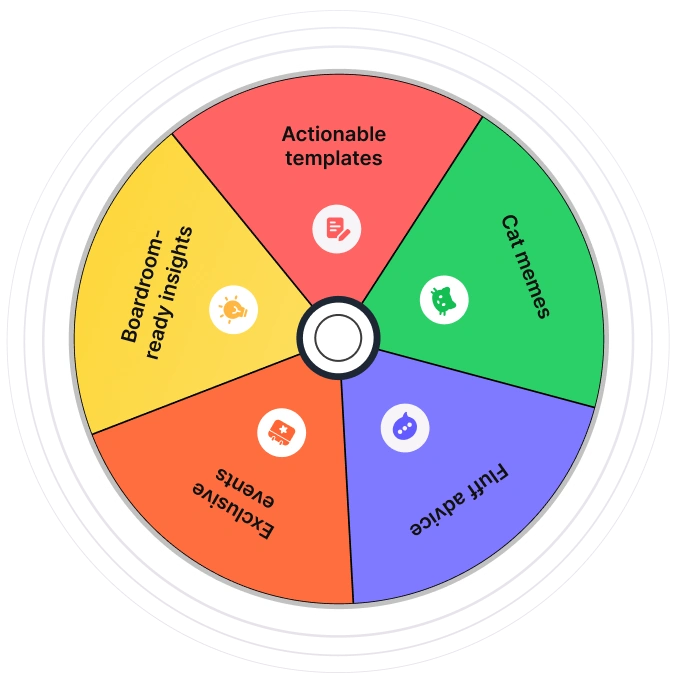
Win digital goodies for boardroom success


Explore more



research & insights curated to help you earn a seat at the table.