

SaaS businesses need to inspire confidence and trust about how they manage and establish data security to clock continued growth. And the best way to build such trust is by gaining independent and internationally-recognized accreditations for your security controls.
The ISO 2700 certification is one of the most recognized international security standards. It demonstrates your commitment to upholding global best practices in information security and adds to your competitive advantage.
The ISO 27001 audit, therefore, is critical to determining whether your organization meets the ISO 27001 requirements. But what does the ISO 27001 audit checklist entail? And what are the auditors looking for? How can you know if you are audit-ready?
Read on to learn more about the ISO 27001 audit process, its types, and how to prepare for it.
What is an ISO 27001 Audit?
ISO 27001 audit helps an organization to evaluate an Information Security Management System (ISMS). It aims to determine whether the ISMS complies with all requirements specified by the standard.
An audit analyzes the effectiveness of security controls, risk management processes, and overall information security (IS). The main objective is to ensure that the ISMS protects sensitive information, maintains data and systems’ confidentiality and integrity, and assures availability.
What are the requirements of an ISO 27001 audit?
The requirements of ISO 27001 audit (internal audit) are described within the standard’s documents. All the requirements come under Clause 9.2 of the ISO 27001 standard. Let’s have a look at the sub-clauses to understand each requirement.
- Clause 9.2a – This clause states that you need to conduct internal audits at regular and planned intervals to provide information on whether your ISMS complies with the requirements for the ISMS.
- Clause 9.2b – This clause states that your internal audit needs to conform to the requirements of the ISO 27001 standard.
- Clause 9.2c – This clause states that the audit program must be planned, established, put into action, and maintained. This includes its frequency, procedures, roles, and reporting needs.
- Clause 9.2d – This clause requires you to define the audit criteria and scope for each audit. This should be documented to ensure that audit objectives are met.
- Clause 9.2e – This clause requires you to choose the team of auditors that ensures that the audit process is conducted impartially.
- Clause 9.2f – This clause requires that the results of the audit, upon successful completion, need to be reported to the relevant management.
- Clause 9.2g – This clause requires you to retain and document all the information regarding the audit process and results. This is also a requirement for ISMS owners under Clause 7.5.3.
Now that we understand the audit requirements let’s see the types of ISO 27001 audits.
What are the types of ISO 27001 Audits?
ISO 27001 audits are broadly divided into internal and external audits. Internal audits help you assess whether your ISMS is implemented effectively and working as expected, while external audits, carried out in defined stages, confirm your organization’s compliance.
The external stages include the initial certification review (Stage 1 and Stage 2), routine surveillance audits to ensure ongoing adherence, and a full recertification audit every few years. Below, we break down how each audit type works and what to expect at every step.
ISO 27001 internal audit
ISO 27001 internal audits are executed internally to evaluate whether their ISMS meets the requirements of the standard. The management can designate an internal team (known as an ISO 27001 internal auditor) or contract out the audits to external auditors.
The ISO 27001 internal audit is much like a reconnaissance. It’s the exercise of looking for gaps, non-conformities, and vulnerabilities in the ISMS before the external audit.
Experience the Sprinto advantage:
Sprinto’s compliance automation will help you streamline the people, processes, and requirements you need to breeze through your ISO 27001 process. It has features such as automated workflows, control mapping, training modules, and audit dashboards to put your compliance journey at ease!
Read how Sprinto helped Equature get ISO 27001 audit-ready and drastically improved its sales velocity.
Internal audits reveal gaps. Sprinto closes them fast.
How to get started with an ISO 27001 internal audit?
Here are the steps to follow to get started with the internal audit process.
- Identify business and security objectives: Ask yourself which service, product, or platform fall within your the scope of ISO 27001 and what your business-critical audit processes and products are.
- Define the scope of the audit: Select which information assets and systems to include in the ISMS in the Scope Statement, and ready the Statement of Applicability (SOA) by detailing which Annex A controls apply to your organization.
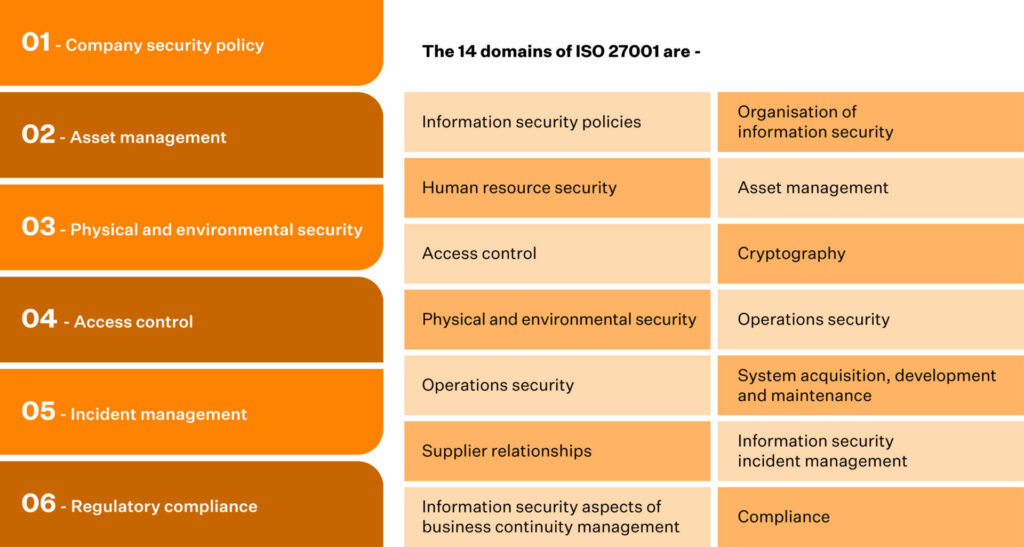
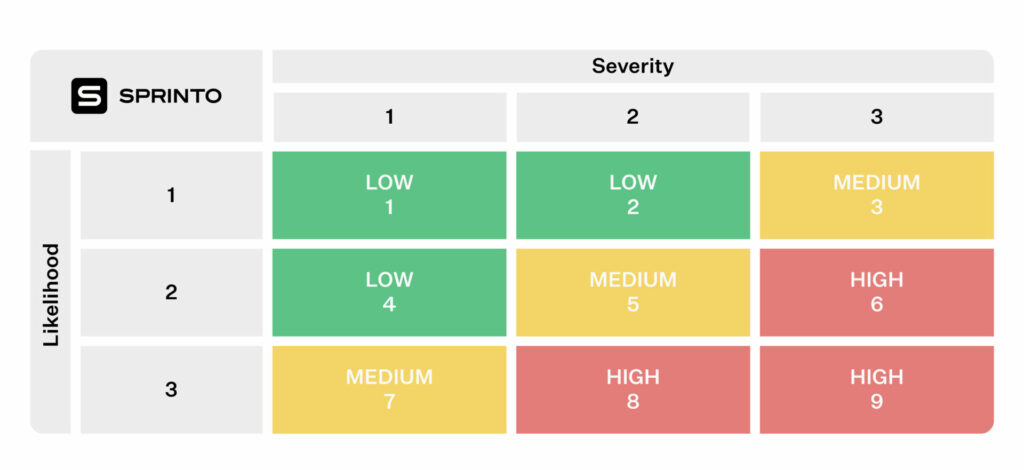
- Risk assessment and treatment plan: Conduct an internal risk assessment of your assets and systems, identify the risks that could impact data confidentiality, integrity, and availability for these, assign a probability of their occurrence, and peg the impact levels (high to low). The risk treatment involves procedures to be taken to decrease the identified risks to an acceptable level.
- Assign a competent and impartial auditor: Choose an auditor who understands ISO 27001 requirements and audit techniques. They must be independent—they should not have any affiliation or conflict of interest with the process they’re auditing. Many organizations utilize trained internal employees or an external consultant to ensure neutrality.
- Gather ISMS documentation and evidence: Before the audit begins, collect essential documents such as your risk assessment, Statement of Applicability (SoA), policies, procedures, control evidence, incident logs, and past audit reports. This gives the auditor a full picture of how your ISMS is designed and implemented.
Sprinto makes internal audits predictable, complete, and auditor-friendly →
What does an ISO 27001 internal audit checklist look like?
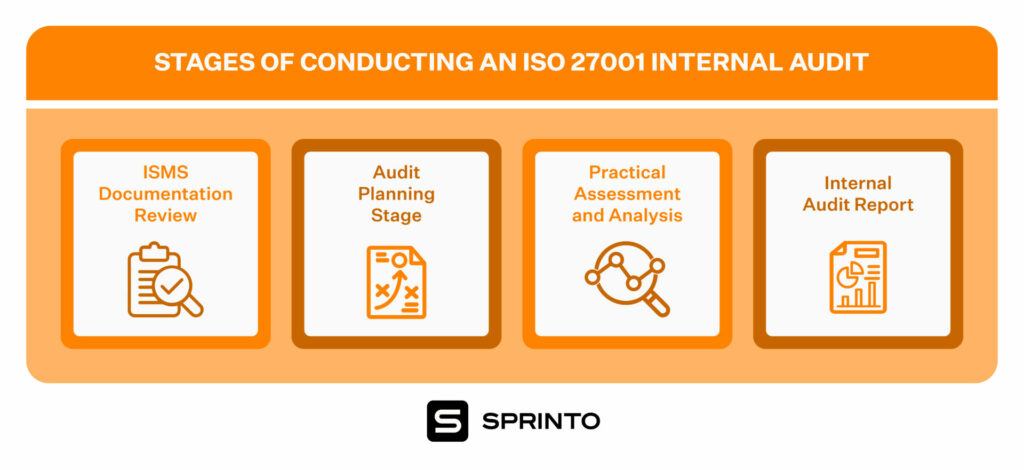
As you may discover about ISO 27001 audits, the devil lies in the details—that’s usually in the documentation. Here’s a look at what the ISO 27001 internal audit checklist will be like:
1. Documentation review
The internal auditor will review all the documentation, ensure the audit scope covers ISMS adequately and evaluate the controls to the ISO Standard for compliance.
2. Field review
The internal auditor will review the ISMS, conduct tests, and collect evidence to demonstrate what’s working and what isn’t. They will also talk to different teams and understand how they comply with the ISMS.
3. Internal audit report
Based on their findings and analyses, the auditor will present an internal audit report to the management. The report will contain the scope, objective, and extent of the audit. It will also detail which policies, procedures, and controls are working and which aren’t with evidence.
4. Management review
The management goes through the internal audit report. The auditor and the management can discuss the list of major and minor non-conformities and action plans and review whether the organization is ready for the external audit and ISO certification.
ISO 27001 external audit
Once the internal audit is approved, organizations are ready to undergo an external audit. The process of the external audit is the same as that of an internal audit, the difference being that it leads to certification (or recertification, as the case may be).
The external audit process typically unfolds across three main audit types: initial certification, surveillance audits, and recertification audits.
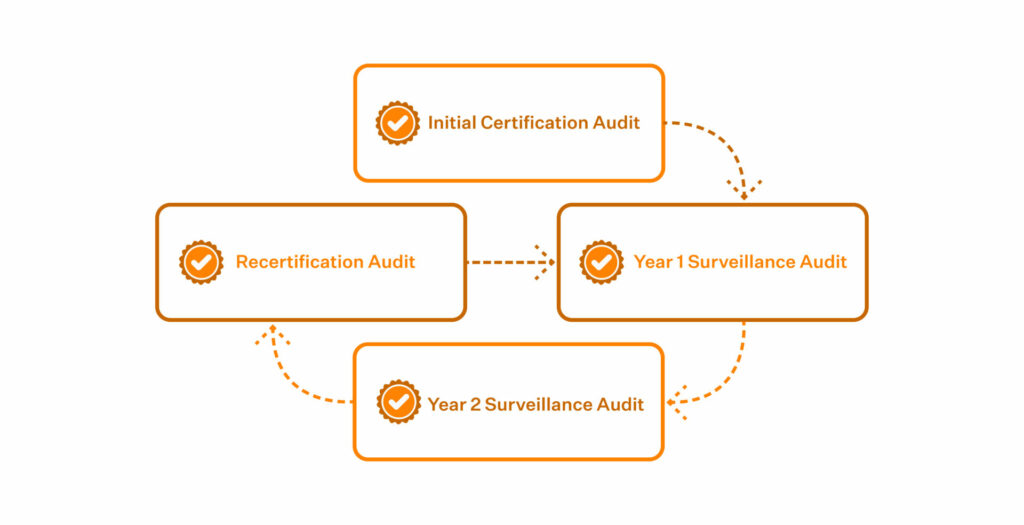
1. Initial certification audit (Stage 1 + Stage 2)
The initial certification process happens in two stages. Both must be completed, usually within six months, to achieve ISO 27001 certification.
Stage 1: Documentation review (ISMS design review)
In Stage 1, the auditor examines your ISMS documentation to evaluate whether it aligns with ISO 27001 requirements. This includes verifying that all mandatory documents (risk assessment, SoA, policies, procedures, etc.) exist and accurately reflect your defined ISMS scope.
Key outcomes of Stage 1:
- Confirmation that your ISMS is sufficiently designed for Stage 2
- Identification of gaps, improvement areas, or missing documents
- A formal Stage 1 Audit Report summarizing readiness and recommendations
Organizations, especially smaller ones, often keep the entire company within the ISMS scope for simplicity and clarity.
Stage 2: External certification audit (Operational effectiveness review)
Stage 2 is an in-depth, evidence-based review where external auditors validate whether your ISMS is implemented and operating effectively. This involves interviews, document verification, and sampling of operational evidence.
Auditors will check:
- If controls identified in the SoA are working as described
- Whether procedures are consistently followed
- Logs and real operational evidence (screenshots aren’t accepted)
- Whether previous improvement requests were incorporated
Examples of evidence checks:
- If your policy requires daily backups, auditors will inspect backup logs
- A few missed entries = minor nonconformity
- No backups or long gaps = major nonconformity
At the end of Stage 2, auditors issue a report outlining:
- Major nonconformities (must be corrected before certification)
- Minor nonconformities (do not block certification but require fixes)
- Opportunities for improvement (OFIs)
Corrective actions for major nonconformities do not require repeating the full audit; only evidence of remediation must be submitted.
Once Stage 2 is successfully completed, your ISO 27001 certification is issued and remains valid for three years, subject to yearly surveillance audits.
2. Surveillance audits (Years 1 and 2)
Surveillance audits typically occur in year 1 and year 2 after certification. These are lighter than Stage 2 but still thorough enough to confirm ongoing compliance.
Auditors will:
- Review how nonconformities from previous audits were resolved
- Check updates to documents, processes, and controls
- Assess ISMS performance and evidence of continual improvement
- Sample different parts of the ISMS each year
Surveillance audit outcomes:
- Findings and nonconformities are documented in a report
- Major nonconformities require corrective action with evidence within three months
- Failure to address major issues can jeopardize certification
Minor nonconformities also require correction, but typically do not affect certification status.
3. Recertification audit (Every 3 years)
At the end of the three-year cycle, a recertification audit is conducted. This audit is similar in depth to the Stage 2 audit and assesses the overall effectiveness and continued relevance of your ISMS.
Auditors will review:
- Whether the ISMS scope is still appropriate
- Policies, procedures, and controls
- Evidence of operational effectiveness
- Corrective and preventive actions
- Internal audits and management reviews
- Outstanding nonconformities and OFIs from earlier audits
It’s best to schedule the recertification audit 3–6 months before your certification expires, giving enough time to address major nonconformities if they arise. Successful recertification resets the three-year cycle and continues the annual surveillance rhythm.
ISO 27001 Audit Stages
Preparing for ISO 27001 certification involves navigating two integral stages comprising the initial certification audit. Understanding these stages is crucial as they dictate the audit criteria for ISO 27001 and determine certification eligibility.
Stage 1 – ISMS design review
This phase requires thorough preparation, including defining risk tolerance, ensuring security benchmarks align with partner expectations and legal obligations, and documenting processes and controls per ISO standards. An auditor reviews this documentation to ensure compliance and suggests improvements.
Stage 2 – Certification audit
After a positive recommendation from stage 1, an auditor from a certifying body conducts an evidential field review. They confirm alignment between documented procedures from stage 1 and the actual business processes and controls within the Information Security Management System (ISMS). Auditors assess a range of data and assets to verify the effective operation of the ISMS and interview key stakeholders involved in managing security measures.
Successful completion of the stage 2 audit results in ISO 27001 certification for three years. Yearly surveillance audits are then required to maintain continuous compliance. These audits demonstrate that controls function as intended and adhere to the internal audit schedule submitted to the certifying body.
Who Performs ISO 27001 Audit?
Generally, an external auditor with relevant experience and certification performs the ISO 27001 audit to assess the organization’s compliance with the set standards and requirements by examining the ISMS. The external auditor can be either an individual or a third-party auditor firm that performs ISO 27001 audits.
An internal auditor can also perform the ISO 27001 audit. To perform an audit, they should have completed a specified number of audits and hours of training. However, the final ISO certification is issued by the certification body itself.
How long does it take to complete an ISO 27001 audit?
There are two phases of the ISO 27001 audit that takes up to 6 months to complete. After the first phase of on-site inspection and documentation audit, the organization needs to work on the correction of non-conformities to get ready for the second phase. Based on the size of the organization and the number of major non-conformities, the time for the Phase 2 audit varies.
So, if you address the non-conformities by implementing your ISMS in an efficient and compliance-driven way, the audit process will take less than 5-6 months.
What happens if you fail an ISO 27001 audit?
Failing an ISO 27001 audit poses the risk of having the certified status revoked until the organization addresses the audit concerns. An external audit often uncovers areas of improvement and issues within the ISMS that require attention.
After failing an ISO audit, you can then analyze the security posture and your ISMS to improve compliance and implement the required things to get back on track. The certification body gives you enough time to rectify the issues found in the audit.
Generally, organizations conduct an internal assessment after a failed audit to review the company’s systems. This allows you to identify and fix any non-conformities effectively.
Streamline ISO 27001 audits with Sprinto
Sprinto’s compliance automation platform is built to help SaaS firms make confident strides in their security journey. From intelligently mapping and minimizing risks to breaking down the entire process into logical, tactical steps, your compliance experience with Sprinto is designed to be easy, error-free, and fast.
From defining the scope of your ISMS to setting up robust information security policies, deploying entity-level checks, and implementing infosec training programs for employees, Sprinto does everything for you.
Cut audit timelines by 80% — continuous monitoring keeps you ready year-round →
FAQs
Companies conduct an ISO audit to analyze and verify processes related to the quality and security of the services/products, ensuring effective implementation of the information security management system.
Both internal and external auditors can perform the ISO 27001 audit to assess the organization’s compliance with the ISO standards and requirements.
ISO 27001-certified auditors, who work with a certification body, are the only ones qualified to evaluate and examine your ISMS for external audits. To qualify, they must complete a specified number of audits and hours of training. The certification body is responsible for granting the final certification.
An ISO 27001 audit checks if your security policies and controls meet the standard and are followed in practice. It helps find gaps, prove compliance, and show customers that you manage data securely.
An ISO 27001 audit requires core ISMS documents such as your Information Security Policy, risk assessment and treatment plan, Statement of Applicability (SoA), asset inventory, access control policy, incident management procedures, business continuity plans, and evidence of monitoring, training, and internal audits.
ISO 27001 requires internal audits to be conducted at planned intervals, typically once every year. However, organizations may schedule more frequent audits, such as biannual or quarterly, if major changes occur, new risks emerge, or if they want tighter assurance before a surveillance or recertification audit.
Yes. Automation can significantly speed up ISO 27001 audits by reducing manual effort across tasks like control monitoring, evidence collection, documentation updates, and tracking corrective actions. Automated platforms continuously pull compliance data from systems, making audits smoother, faster, and more accurate.
The duration depends on your organization’s size and ISMS scope. In general, the Stage 1 audit takes a few days, while the Stage 2 audit can take anywhere from a few days to a couple of weeks. Surveillance audits are shorter and usually completed within a few days. Preparation time varies, but many organizations take several weeks to several months to get fully audit-ready, especially if building their ISMS for the first time.

Gowsika
Gowsika is an avid reader and storyteller who untangles the knotty world of compliance and cybersecurity with a dash of charming wit! While she’s not decoding cryptic compliance jargon, she’s oceanside, melody in ears, pondering life’s big (and small) questions. Your guide through cyber jungles, with a serene soul and a sharp pen!
Go beyond the surface and uncover the governance, risk, and compliance insights that actually matter.


Win digital goodies for boardroom success


Explore more ISO 27001 articles
ISO 27001 Overview & Requirements
ISO 27001 vs Other Frameworks
ISO 27001 Audit & Certification Process
ISO 27001 Management & Assessment
ISO 27001 Implementation & Automation
ISO 27001 Industry-Specific Applications
research & insights curated to help you earn a seat at the table.