TL;DR
| Compliance automation tools aren’t created equal. Some overpromise and underdeliver, while others come with hidden costs or rigid workflows. This breakdown gives an unfiltered look at Sprinto and its top competitors. |
| Sprinto stands out for continuous compliance, shared-control mapping, and a better operating model after the first audit. It is strongest for cloud-native teams that want faster readiness now and less repeated work as frameworks, vendors, questionnaires, and audit cycles expand. Companies like Bizongo, Makeforms, and Mesmerise have cut compliance efforts by over 90% and achieved certifications faster with Sprinto. |
| Each competitor has its strengths and trade-offs. Drata is enterprise-grade but pricey; Vanta is startup-friendly, with risk and vendor workflows that rely on higher tiers and add-ons for depth; Secureframe is simple but less customizable; Scrut focuses on risk-first compliance; AuditBoard caters to large enterprises; and Laika (Thoropass) blends automation with human support. |
Choosing a compliance platform gets harder once you look past the homepage promises. Most tools can help with a first framework. The real differences show up later, when evidence volumes grow, audits repeat, frameworks overlap, and your team has to keep everything current without turning compliance into a full-time coordination project.
This guide compares Sprinto with the platforms buyers most often evaluate alongside it: Drata, Vanta, Secureframe, Scrut, AuditBoard, and Thoropass. The goal is simple: to help you understand which model fits your team, your stack, and the stage your compliance program is entering.
What does Sprinto do?
Sprinto is an Autonomous Trust Platform for cloud-native teams that need more than point-in-time audit prep. It helps organizations keep controls, evidence, risks, policies, vendors, and audit workflows aligned as the business changes.
That matters because most compliance pain does not come from trying to comply with one framework. It comes from repetitive tasks, collecting the same proof again, answering overlapping security requests, and keeping audits, reviews, and risk signals in sync as systems and teams evolve.
The platform supports frameworks such as SOC 2, ISO 27001, HIPAA, GDPR, and PCI-DSS, automates the heavy lifting around audits, and simplifies tasks that traditionally consume engineering and IT bandwidth.
Why would a business choose Sprinto
You don’t decide to overhaul compliance because it sounds interesting. You do it when the manual version starts breaking: an enterprise deal stalls on security proof, frameworks begin to overlap, evidence is scattered, or every audit starts from zero.
That is where the difference between platforms becomes obvious. Some tools help you reach the first milestone. Sprinto is stronger when the work starts repeating.
Across customer stories, that repeatability shows up in a few ways.
Take Bizongo, for example. As a company managing supply chain digitization at scale, they had recurring regulatory reviews, investor audits, and internal security reporting. But with compliance processes scattered across different systems, every quarter became a scramble. After adopting a platform that automated control tracking and evidence collection, they cut compliance reporting time down to hours instead of weeks and met their SOC 2 and ISO 27001 audit deadlines in just 3 weeks.
Then there’s Makeforms, a company that needed to comply with 11 different frameworks while keeping costs under control. Traditional approaches—either hiring consultants or managing it all in-house—were too slow and expensive. Instead, by using an automation-first approach with common control mapping, they saved 50% on compliance costs and reduced effort by 93%, all while staying continuously audit-ready.
When UK-based Mesmerise began pursuing SOC 2, ISO 27001, GDPR, and HIPAA, their compliance lead, Adéle Tredoux, knew their existing spreadsheets and manual tracking methods couldn’t scale. She recalls, “We wanted to catalyze efforts with automation. We don’t have all the time in the world to review logs manually.” With Sprinto, Mesmerise not only completed audits across four major frameworks in just eight weeks but also saw a 90% improvement in vendor management efficiency, making compliance more straightforward and transparent across teams.

See how Sprinto keeps controls, evidence, and follow-ups moving after your first audit.
Here’s what Prometia has to say about Sprinto
On review platforms like G2, customers echo these real-world experiences. Manoj C., a security practice head at a mid-market company, noted Sprinto’s efficiency: “Sprinto simplifies complex tasks, organizes documentation, and provides real-time tracking of progress, ensuring we stay on top of every requirement.” Similarly, John S., CEO of a small business, described his onboarding as frictionless: “Implementing Sprinto into our workflow was straightforward, helping us achieve compliance in record time.”
These aren’t isolated experiences. They reflect a fundamental shift in how companies tackle compliance—moving from complicated manual processes to platforms that automate, simplify, and truly integrate compliance into daily operations.
Sprinto’s top competitors
Choosing the right compliance automation tool is trickier than it seems. You’re not just picking software—you’re essentially trusting a platform with your security reputation, audit readiness, and peace of mind. And because every platform brings something slightly different, it pays to do your homework.
“If you find yourself in a place where you must choose between speed and maintaining a robust security posture when selecting a GRC tool, you’re not eyeing the right one. It should be able to deliver value quickly to eliminate long implementation cycles while collecting evidence on security continuously.”
Girish Redekar, Founder at Sprinto
Great advice adds up. Get more from the brightest minds in GRC — join now
1. Drata
Drata, a Sprinto competitor, is a fully automated trust management and compliance platform known for its robust, enterprise-grade capabilities. It continuously monitors security controls in real time and automates evidence collection across cloud infrastructure, identity providers, and other tools. Drata supports a wide range of frameworks (25+, with strong multi-framework mapping), from SOC 2 and ISO 27001 to HIPAA and GDPR.
The platform integrates deeply with cloud providers, DevOps tools, HR systems, and security apps, automatically pulling evidence and updating status without disrupting developer workflows.
That said, Drata’s pricing can be steep for small-to-mid sized companies, especially if you need multiple certifications.
2. Vanta
Vanta is a pioneer in compliance automation, widely adopted by startups and SaaS companies to achieve and maintain security certifications. It integrates with a broad array of cloud services and dev tools, continuously monitoring systems to ensure controls (like access management, encryption, MFA, etc.) remain in compliance.
Vanta supports numerous frameworks – including SOC 2, ISO 27001, PCI DSS, GDPR, HIPAA, and even privacy laws like CCPA – allowing tech companies to tackle multiple standards on a single platform. Its platform streamlines evidence collection and provides ready-to-use templates, which help teams prepare for audits more efficiently.
Vanta can handle foundational vendor and risk workflows, but advanced TPRM and risk-management capabilities are typically packaging-dependent. Confirm whether AI-assisted vendor reviews, continuous vendor monitoring, remediation planning, procurement workflows, and custom risk scoring are included in their plan or quoted separately.
3. Secureframe
Secureframe is a compliance platform known for its speed and simplicity, catering to startups and mid-sized tech firms looking to get compliant quickly. It provides pre-built templates and policies for frameworks like SOC 2, ISO 27001, and HIPAA, which accelerates the initial setup for certification.
The platform prides itself on an easy onboarding process and intuitive dashboards, making it approachable for teams with little prior compliance experience.
Secureframe integrates with popular cloud services, HR databases, and security tools to automate evidence gathering and control monitoring. For the typical SaaS tech stack (AWS, GCP, GitHub, Okta, etc.), it covers the essentials automatically, reducing manual data collection.
The platform is optimized around SOC 2, ISO, HIPAA, and similar standards. Companies needing less-common certifications or a highly customized control set might find Secureframe less flexible, as it doesn’t offer the extensive framework library or custom control mapping that broader GRC tools do.
Scrut Automation
Scrut Automation is a newer entrant in the Sprinto competitor market that takes a “risk-first” approach to compliance, blending traditional compliance automation with integrated risk management. Aimed at SaaS SMBs and companies in regulated sectors, Scrut helps unify multiple frameworks through a single control plane.
It supports a wide array of standards (50+ frameworks, according to the company) and includes a library of 75+ pre-mapped policies to jump-start compliance efforts. With support for dozens of standards and a unified control framework, Scrut helps avoid duplicate work when complying with several regulations.
Scrut is designed to layer onto your existing security stack rather than replace it. It excels at compliance automation and compliance risk tracking, but it doesn’t itself do things like intrusion detection or endpoint security. Companies expecting a one-stop security solution will still need to use Scrut alongside other tools, which adds to the management overhead.
4. AuditBoard
AuditBoard is an enterprise-grade audit, risk, and compliance management platform often used by large companies in heavily regulated industries. Unlike point solutions focused just on SOC 2 or similar, AuditBoard delivers a full suite that includes internal audit workflows, risk assessment modules, and compliance tracking in one system.
It’s essentially a Governance, Risk, and Compliance (GRC) platform that can be configured to various frameworks and standards, and is popular with finance, healthcare, and other industries that require rigorous oversight. AuditBoard provides real-time dashboards for risk and control status and supports complex workflows for audit teams, making it a powerful tool for organizations with dedicated compliance departments
For a typical SaaS startup just trying to get a SOC 2 report, AuditBoard is often more than what’s necessary. Its feature set and cost are oriented to larger enterprises; smaller companies could be overwhelmed by features they won’t use. In other words, it’s not the most lean solution for straightforward needs.
5. Laika (Thoropass)
Laika – rebranded in 2023 as Thoropass – offers a hybrid approach to compliance by combining automation software with hands-on support from compliance experts. Aimed largely at startups and mid-size tech firms pursuing their first major compliance certifications, Laika provides clients with access to its network of auditors and consultants to guide them through frameworks such as SOC 2, ISO 27001, HIPAA, and GDPR.
The platform itself automates many compliance tasks (document collection, control tracking, workflow reminders) and features a dashboard to monitor progress.
Laika (Thoropass) supports a handful of popular compliance regimes, but it doesn’t extend much beyond them. If a tech company later needs a less-common certification (say FedRAMP or CMMC, or even PCI DSS), they would likely have to look outside Laika, as the platform’s breadth is narrower than competitors that boast dozens of frameworks.
The deciding factor is usually price once you know what you want but because of the intricacies of compliance and customization offers, most sites don’t publicly talk about pricing. It is best to contact the sales team to get a quote for you.
The final verdict
The right choice depends on what kind of problem you are actually solving.
If you only need a quick path to one certification, several tools here can help. But compliance rarely stays that simple. Once evidence gathering starts repeating, audits overlap, vendor reviews pile up, and frameworks multiply, the decision shifts. You are no longer looking for a tool that gets you certified; instead, you are looking for a system that keeps the program manageable after that.
Sprinto is strongest in that middle ground. It is easier to operationalize than enterprise-heavy GRC suites, but better equipped than first-certification tools to support continuous compliance, shared controls, and smoother audit operations as the program matures.
FAQs
Sprinto emphasizes deep automation, real-time monitoring, and shared control mapping to reduce redundant compliance work. Unlike Drata, which is more enterprise-focused and expensive, or Vanta, which is strong on monitoring but gates much of its deeper risk and vendor capability behind higher tiers and add-ons, Sprinto balances automation, flexibility, and affordability for growing SaaS companies.
Startups looking for a fast, cost-effective way to achieve SOC 2, ISO 27001, or HIPAA often prefer Sprinto or Vanta for their simplicity and automation. Enterprises managing complex compliance programs across multiple frameworks might lean toward Drata for its robust integrations or AuditBoard for its enterprise-scale governance and audit workflows.
Yes. Sprinto offers a Bring Your Own Framework (BYOF) feature, allowing businesses to map compliance workflows beyond standard frameworks like SOC 2, ISO 27001, and GDPR. This makes it ideal for companies dealing with niche industry regulations or internal security standards.
Most compliance automation tools don’t list pricing publicly since costs vary based on company size, compliance needs, and frameworks. In general, Vanta and Secureframe are more affordable for smaller companies, while Drata and AuditBoard cater to enterprises with higher budgets. Sprinto sits in the middle, offering strong automation without the rigid pricing of enterprise-first tools.

Author
Heer Chheda
Heer is a content marketer at Sprinto. With a degree in Media, she has a knack for crafting words that drive results. When she’s not breaking down complex cyber topics, you can find her swimming or relaxing by cooking a meal. A fan of geopolitics, she’s always ready for a debate.Go beyond the surface and uncover the governance, risk, and compliance insights that actually matter.


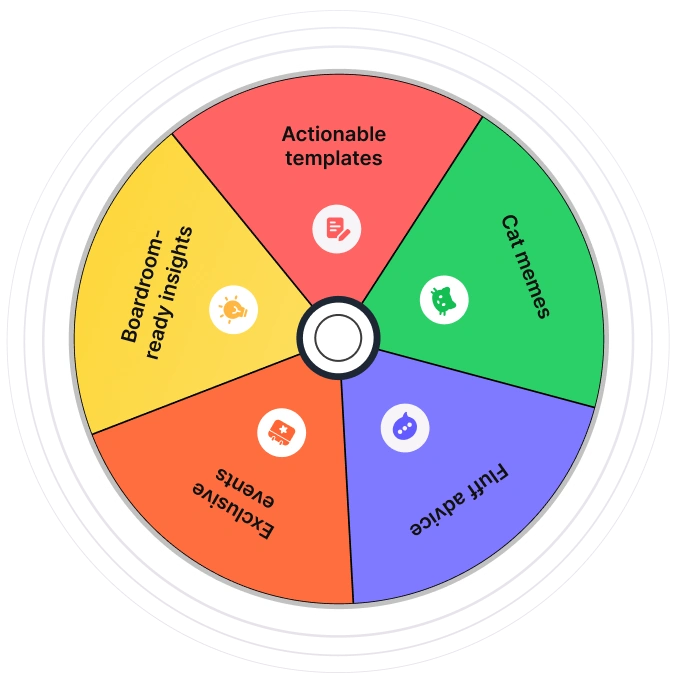
Win digital goodies for boardroom success


Explore more




research & insights curated to help you earn a seat at the table.