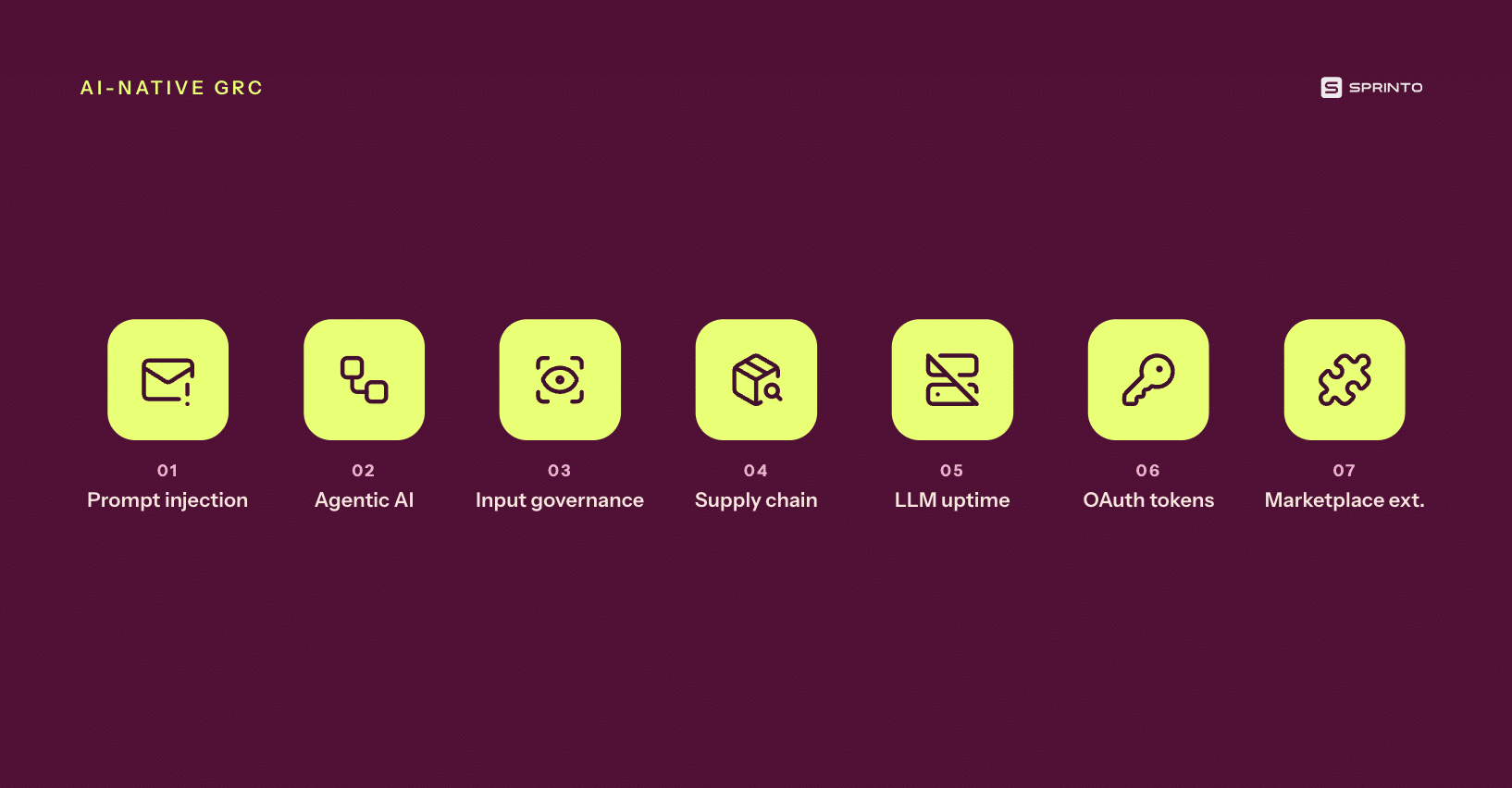
TL;DR – This article looks at seven incidents that happened in the last 18 months, and the specific controls that may have caught or prevented them– The failures weren’t sophisticated: misconfigured vendors, unscoped agents, unmapped dependencies, and LLM outages that took business workflows down with no continuity plan in sight– The programs that avoid incidents…
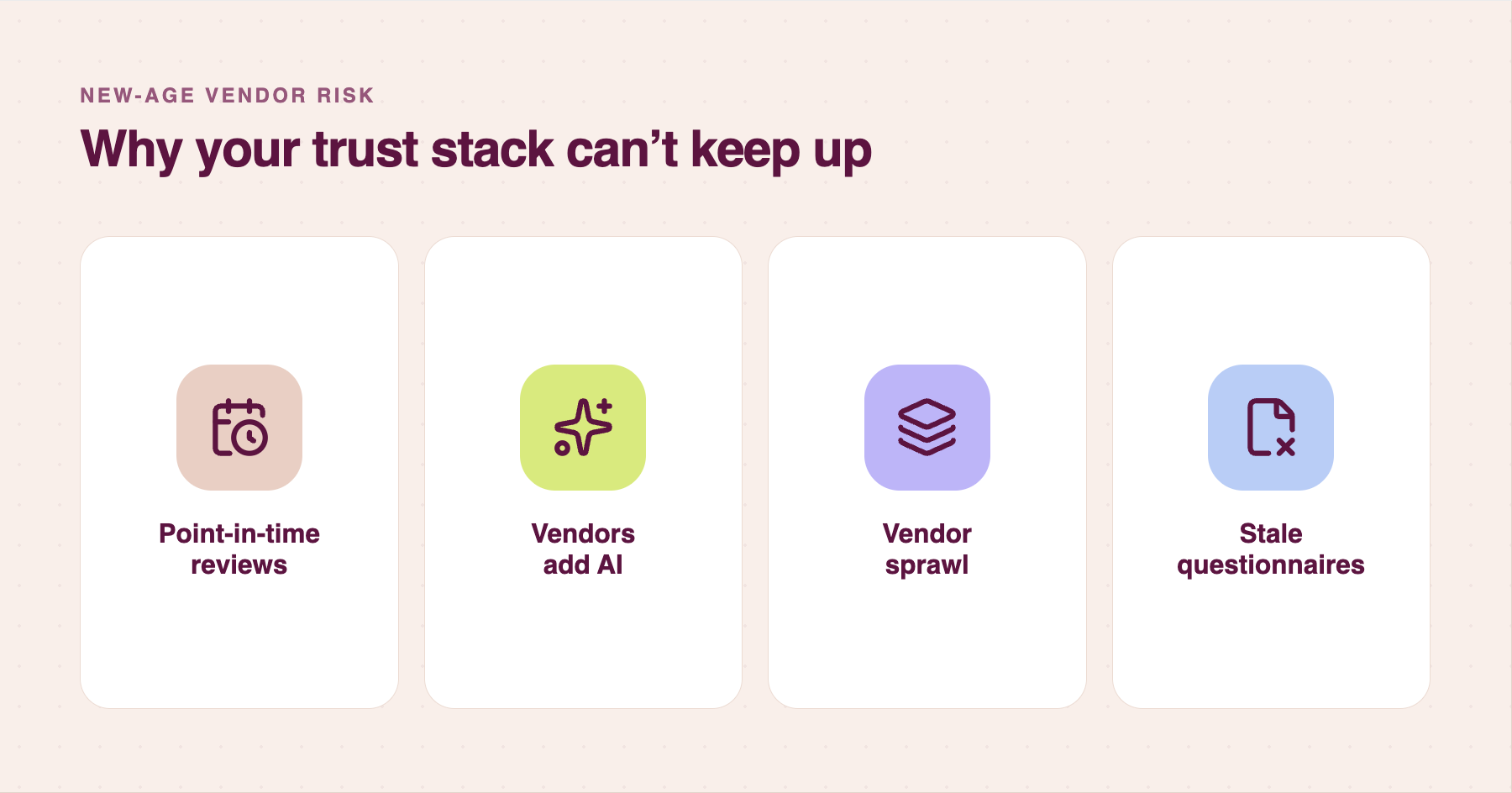
If you’re part of a GRC team in a 1,000+ employee organization, there’s a high chance that Vendor Risk no longer feels manageable. This is because traditional vendor management was built around centralized adoption, control, and compliance, while today’s vendor ecosystem is defined by constant change, deep interconnectivity, and decentralized adoption. Vendors update their products…
Third-party risk management has always been one of the hardest mandates in GRC. But if you’re running a TPRM program today, the pressure is more acute than ever. Maybe you’re still on spreadsheets and know it’s not sustainable. Maybe you invested in a platform that promised to fix things, but somehow made the work heavier….
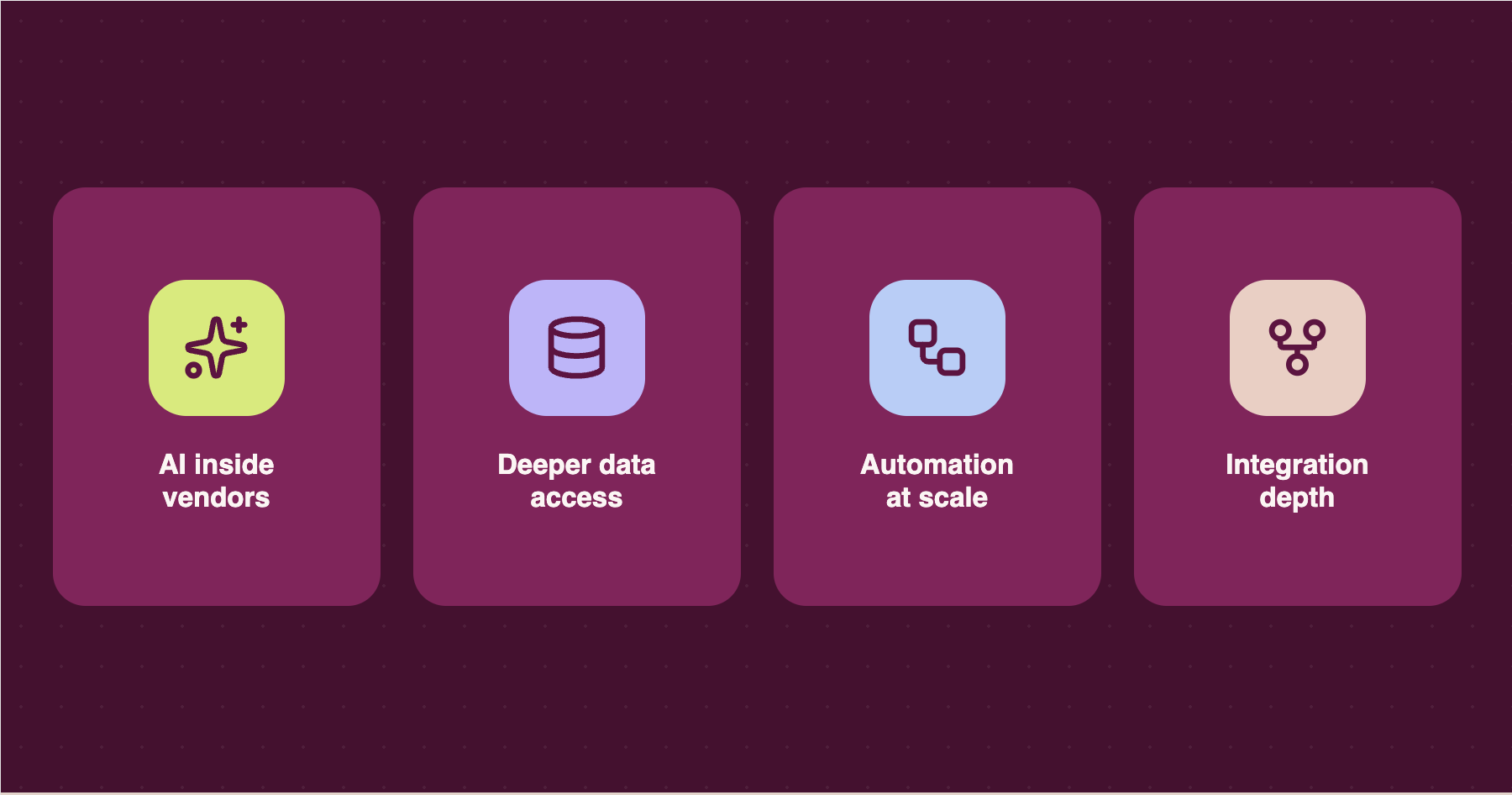
Vendor ecosystems have become one of the largest risk surfaces for modern organizations. Businesses now rely on hundreds, often thousands, of vendors, including SaaS platforms, cloud services, processors, and subcontractors, to run day-to-day operations Recent incidents have shown how quickly failures in these ecosystems can cascade. Supply-chain cyberattacks have already demonstrated how vulnerable vendor ecosystems…