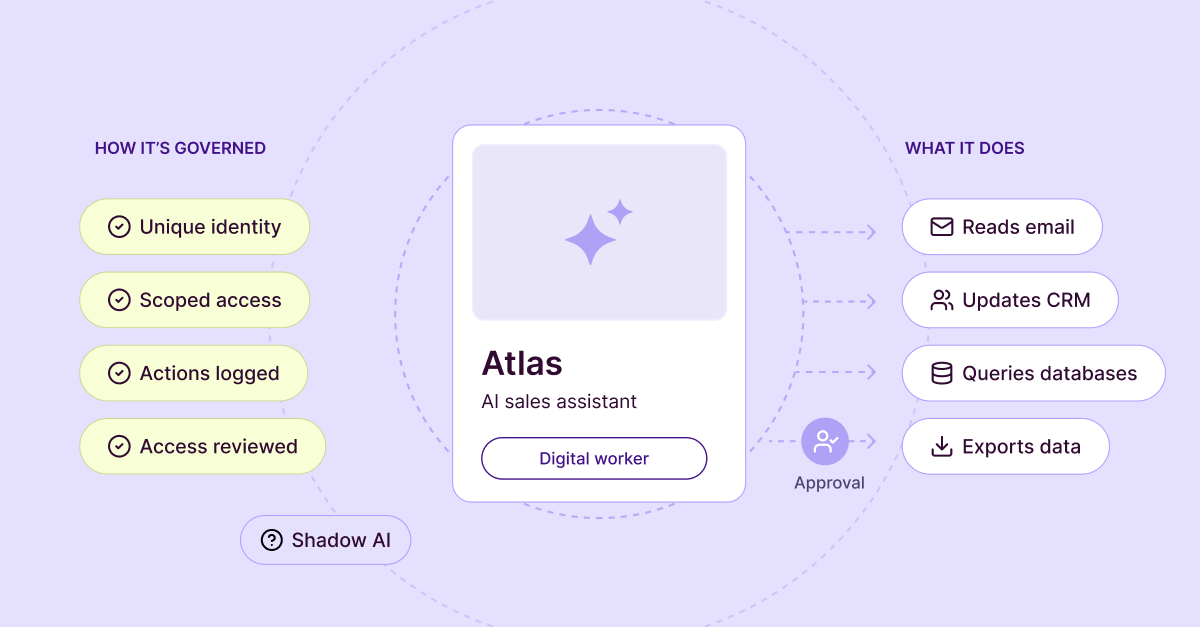
TL;DR AI agents now read your email, query your databases, update your CRM, and trigger workflows. This is the kind of access you’d normally reserve for privileged users. Most organizations still govern them like regular applications. Machine identities already outnumber human identities by more than 80-to-1 (CyberArk, 2025), and the consequences are evident: 30% of…
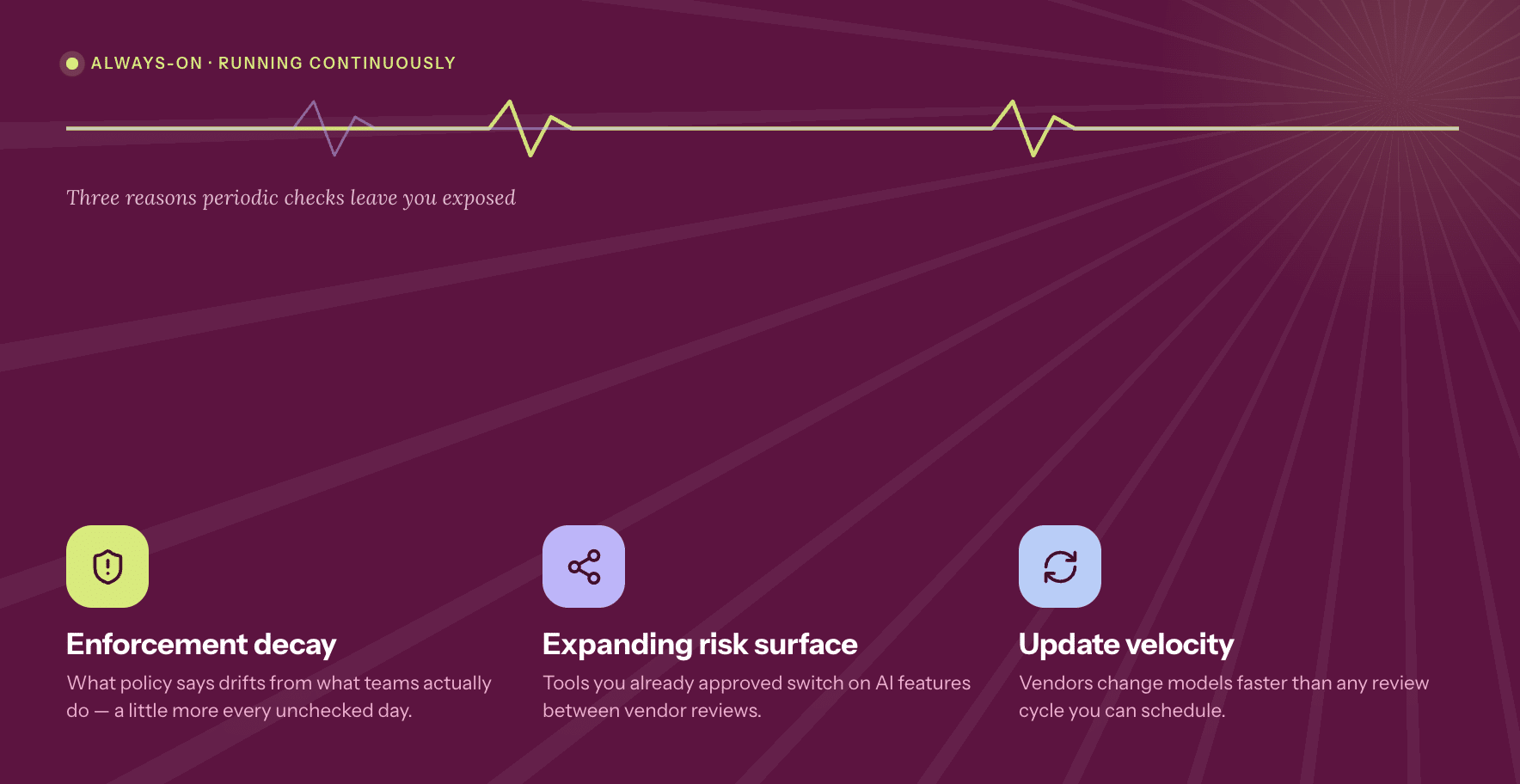
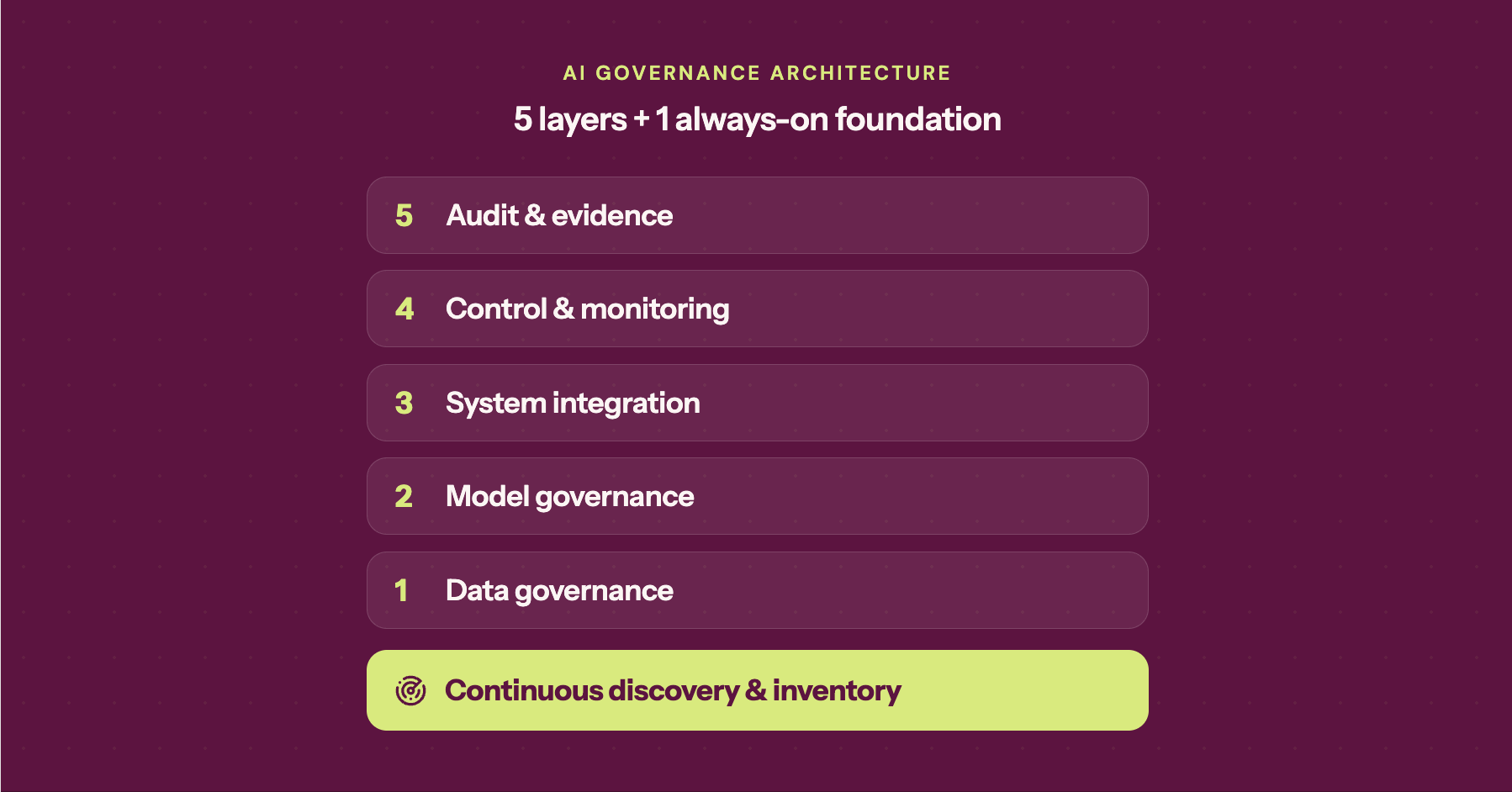
You’ve built the governance program. You have selected and customized a framework, set up the controls, and assigned owners. Most GRC and TPRM teams have. In fact, 25% of organizations describe their AI Governance as advanced, and a majority have dedicated budgets for AI governance. If that sounds familiar, you’ve made good progress. But there…
TL;DR Most organizations already have, or are building, AI Governance in some form. Precisely 69.9% as per Sprinto’s CISO Pulse Check Report released earlier this year. Moreover, only 52.81% of GRC teams even track AI as a separate category, let alone ensure AI risk is being governed continuously. But what happens to AI Governance when…
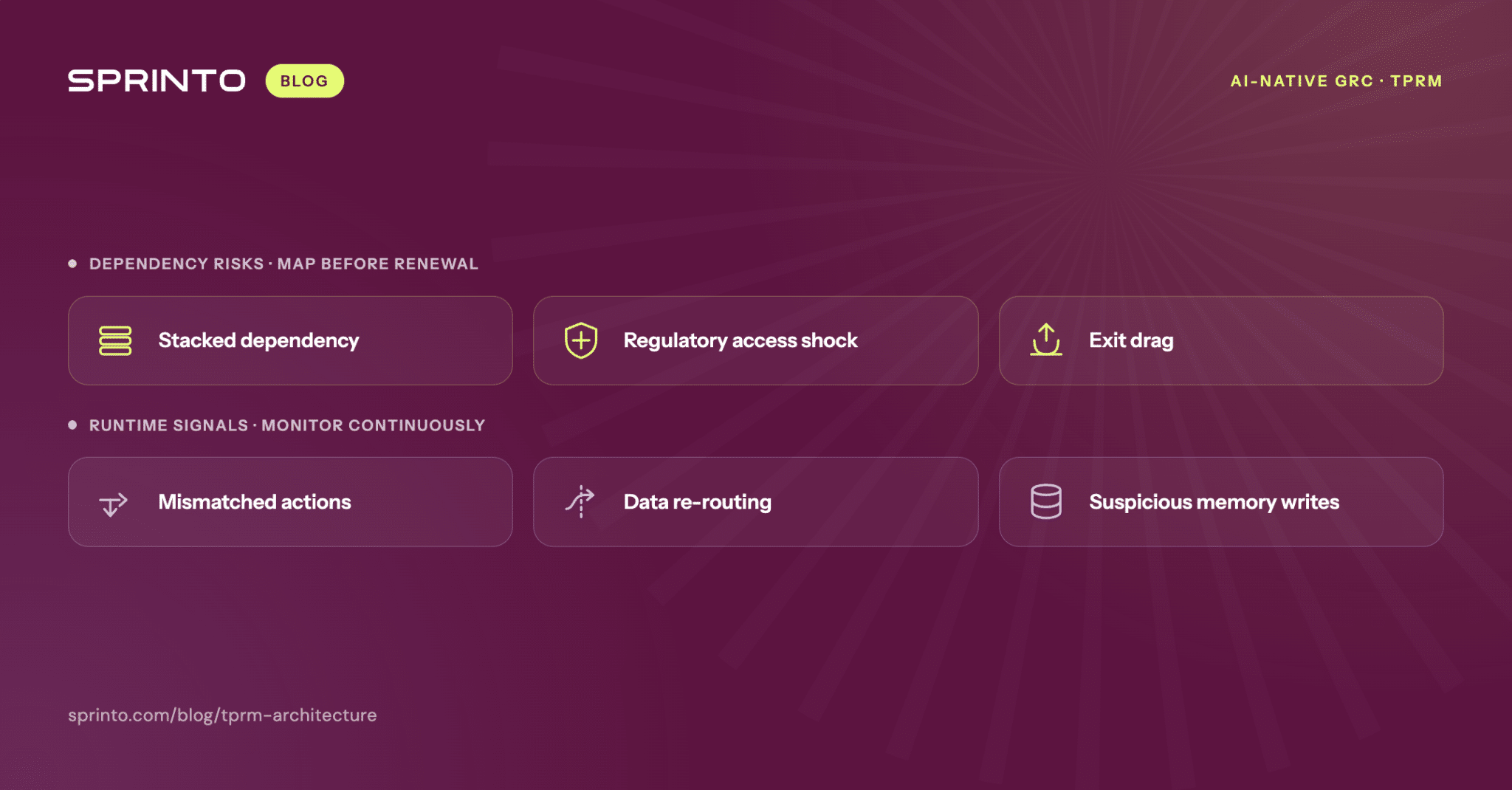
TPRM has always been about understanding who your key vendors are, what access they hold, and safeguarding your business against the breaches, downtime, and disruption that could follow if they fail. A vendor-side diligence model built for a world where third-party risk was largely static. In an AI third-party risk age, that model is no…
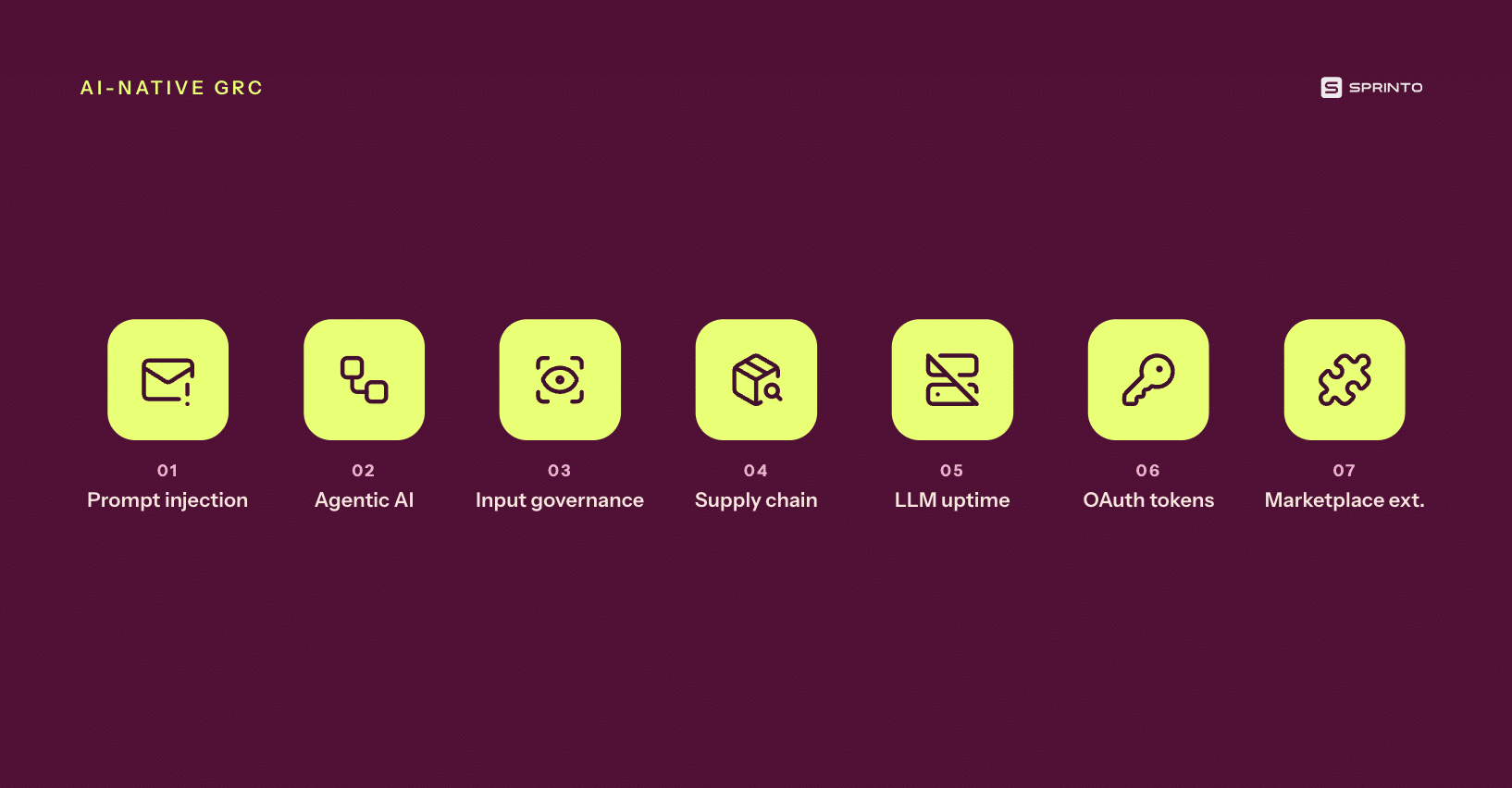
TL;DR – This article looks at seven incidents that happened in the last 18 months, and the specific controls that may have caught or prevented them– The failures weren’t sophisticated: misconfigured vendors, unscoped agents, unmapped dependencies, and LLM outages that took business workflows down with no continuity plan in sight– The programs that avoid incidents…
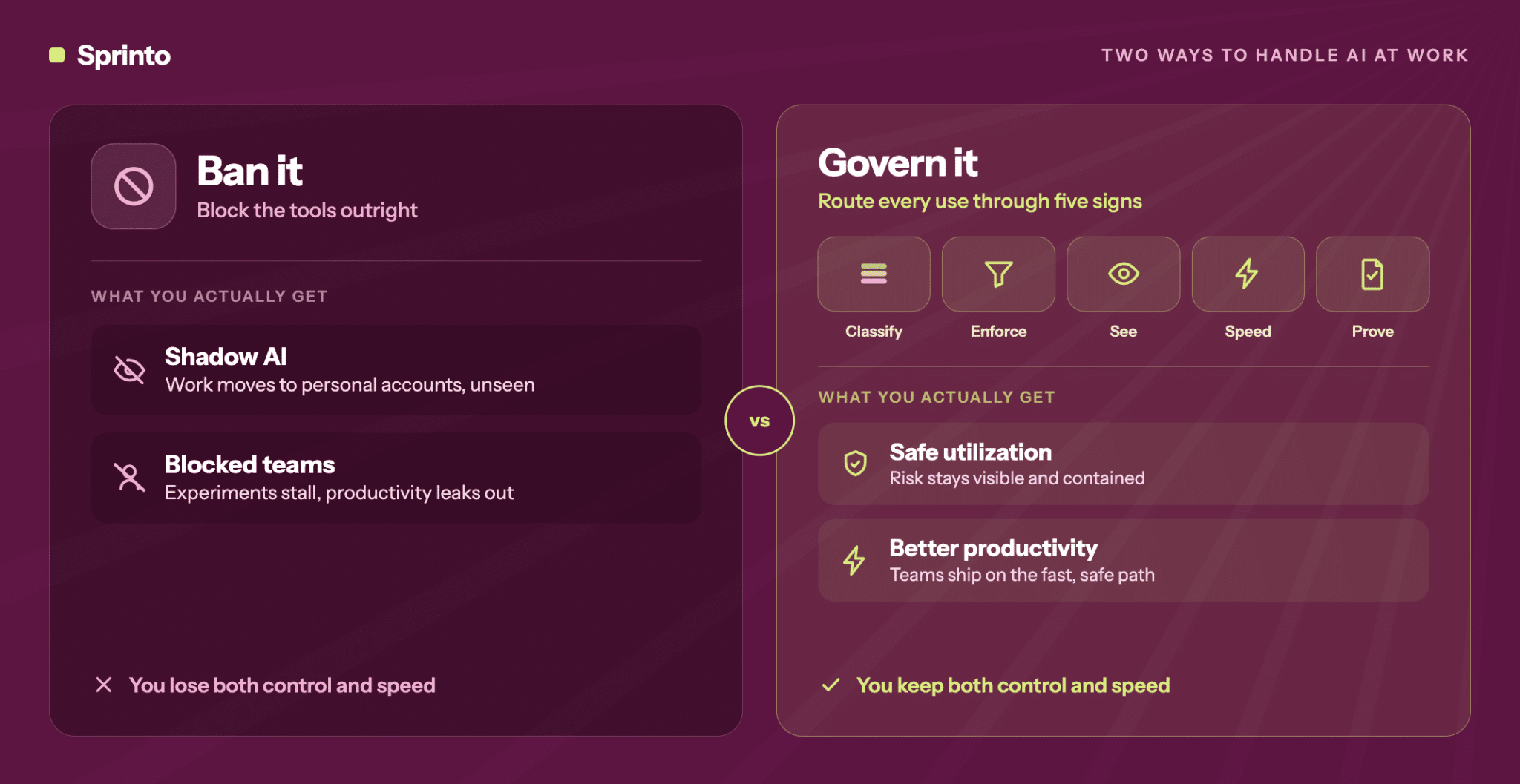
TL;DR – AI governance fails when it’s too loose to catch anything or too tight to let teams move– The answer is making the safe path faster than the workaround, not blocking the workaround– Classify by data type and destination, enforce at the point of exposure, log everything Imagine data leaving the environment through unvetted…