TL,DR: Compliance follows defined laws, regulations, and standards; risk management prepares for potential threats. Compliance is narrower and requirement-led, while risk management covers wider business exposure. The article compares approach, outcomes, timeframe, risk tolerance, crisis management, and tool categories. A report by Bloomsberg states that companies are spending 6-10% of their revenue solely on compliance!…
With risks becoming increasingly interconnected, the risk management process involves many moving parts. As risks often share multiple points of intersection, they can quickly escalate into events that could potentially collapse a business. Reacting to a crisis when you’re already in the midst of it is far from ideal. Forward-thinking businesses know how crucial it…
What is risk analysis? Quite the umbrella term, exposure to risk is a fact of life for every organization, from the smallest solo business proprietor to multinational giants. Risk involves everything from geopolitical developments and global inflation to scams and fraud targeting your company. Structured risk management, for the vast majority of organizations, is either…
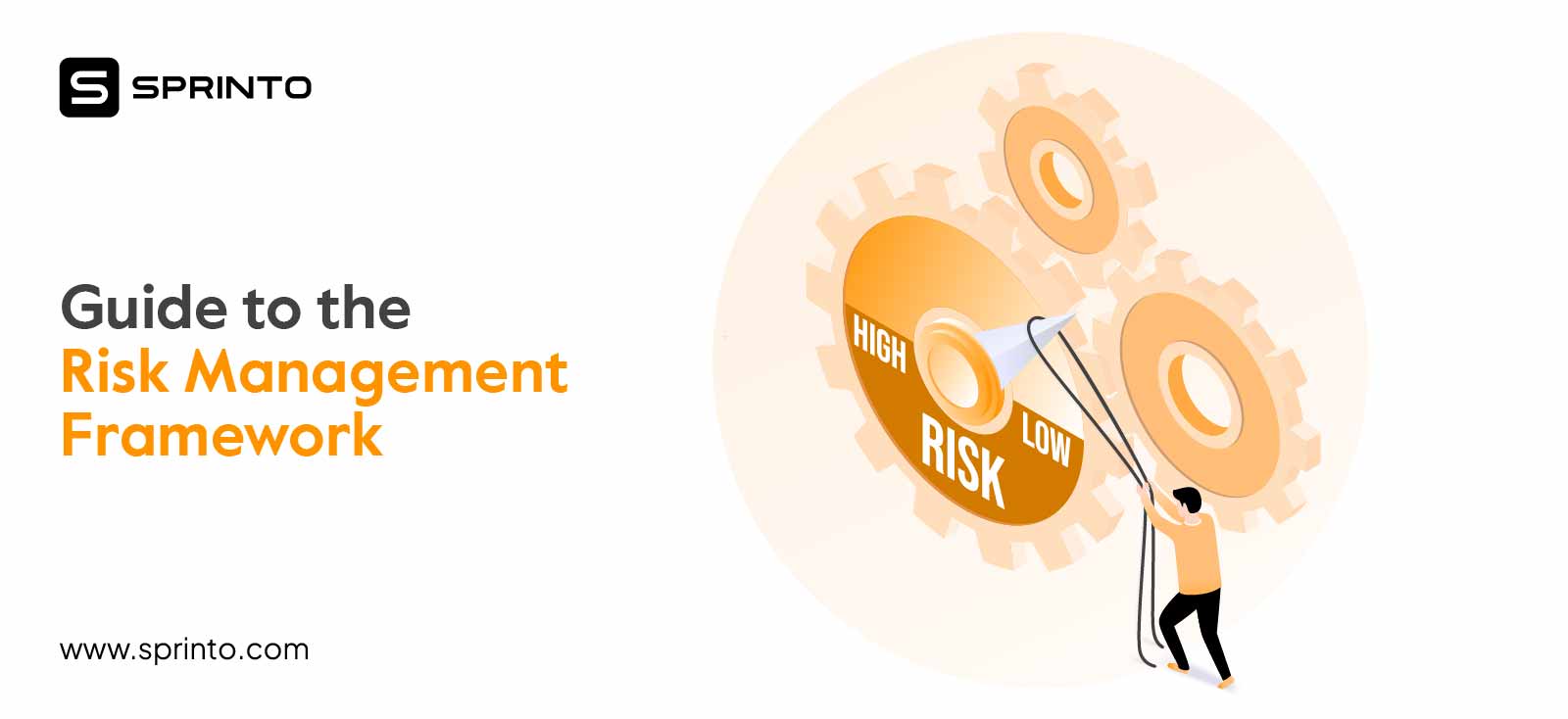
TL,DR: A risk management framework defines repeatable methods for identifying, assessing, treating, monitoring, and reporting organizational risks. Select NIST RMF, COSO, ISO 31000, ITIL, or PMBOK according to scope, industry, and objectives. Rolling out NIST RMF requires preparation, system categorization, control selection, assessment, authorization, and continuous monitoring. “Risk Management lets you appreciate the risk while…
TL,DR: TPRM identifies, assesses, and monitors risks from vendors, contractors, suppliers, and partners. Core risks include data security, legal exposure, financial stability, reputation, and operational disruption. The article covers due diligence, assessments, remediation, monitoring, breach tracking, and framework requirements. No CTO in their right mind trusts their vendors and contractors completely. Irrespective of their relationship,…