TL;DR The best vendor risk management software falls into three categories: GRC-integrated platforms, outside-in security-ratings tools, and enterprise TPRM/IRM suites. Your pick depends on whether your bigger problem is running a repeatable review workflow, monitoring a large vendor portfolio, or fitting vendor risk into an existing risk program. These are the 12 vendor risk management…
TL,DR: Integrated Risk Management (IRM) is a connected approach to managing risk across your entire organization, covering cyber, compliance, operational, and financial risks in one place rather than in separate silos and spreadsheets. It’s built for teams that already do risk management but find it fragmented, manual, and disconnected from their audits. As risks compound…
TL;DR A compliance risk assessment is a structured process used to identify, evaluate, and prioritize regulatory risks that could lead to legal, financial, or reputational damage. It helps organizations detect gaps in policies, controls, training, and processes before they lead to non-compliance incidents or regulatory penalties. The typical workflow includes identifying risks, assessing impact and…
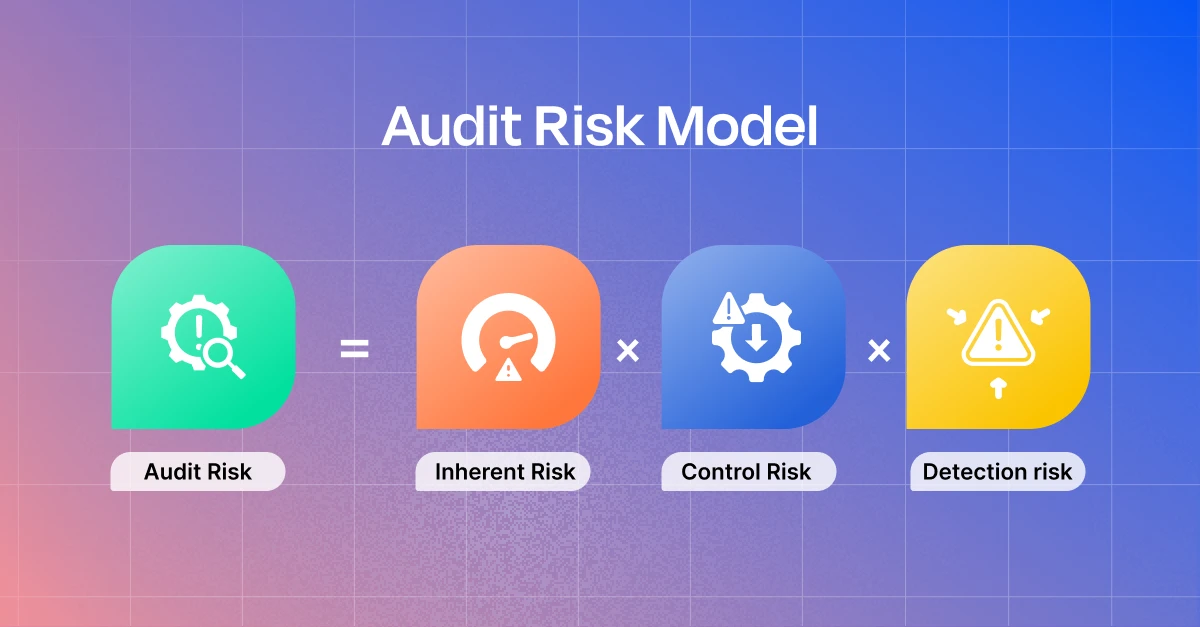
TL;DR The Audit Risk Model (ARM) helps auditors evaluate the likelihood of errors in audits using three components: Inherent Risk (IR), Control Risk (CR), and Detection Risk (DR). The core formula is Audit Risk = IR × CR × DR, used to estimate the probability of material misstatements going undetected. Higher inherent or control risks…
TL;DR Risk register software helps teams identify, assess, assign, monitor, and mitigate business, security, compliance, operational, and project risks in one structured system instead of scattered spreadsheets. The best risk register tools should support risk scoring, ownership, mitigation plans, reporting, workflow automation, integrations, usability, and review cycles so teams can track risk consistently as the…
As you grow beyond early-stage SaaS, enterprise buyers stop accepting trust-me slides. They want proof that the vendors, processors, sub-processors, and partners in your ecosystem are secure, resilient, and reviewed on a repeatable cadence. That is where a third-party risk management (TPRM) program helps. The goal is not to send a 200-question assessment to every…