TL,DR: NIST CSF implementation tiers show how organizations manage cybersecurity risk in practice. Tiers connect policy, business processes, technology, and risk management discipline. The article explains tier progression, current-state assessment, target-state planning, and risk-based improvement. The National Institute of Standards and Technology’s (NIST) Cybersecurity Framework (CSF) is one of the most helpful and adaptable frameworks…
TL,DR: NIST 800-53 focuses on federal information systems and broader control baselines. NIST 800-171 focuses on protecting CUI in non-federal systems used by contractors. The article compares scope, audience, security requirements, and when organizations may need both. If you’re a government contractor, the burden of demonstrating compliance and implementing certain mandatory resource requirements may seem…
TL; DR NIST certification means aligning your security program with NIST frameworks such as NIST CSF or NIST SP 800-53 to strengthen risk management and meet customer expectations (including federal/enterprise customers). The work typically includes control mapping, assessments, documentation, and validation, but NIST itself doesn’t issue certifications. Verification depends on the program scope and the…
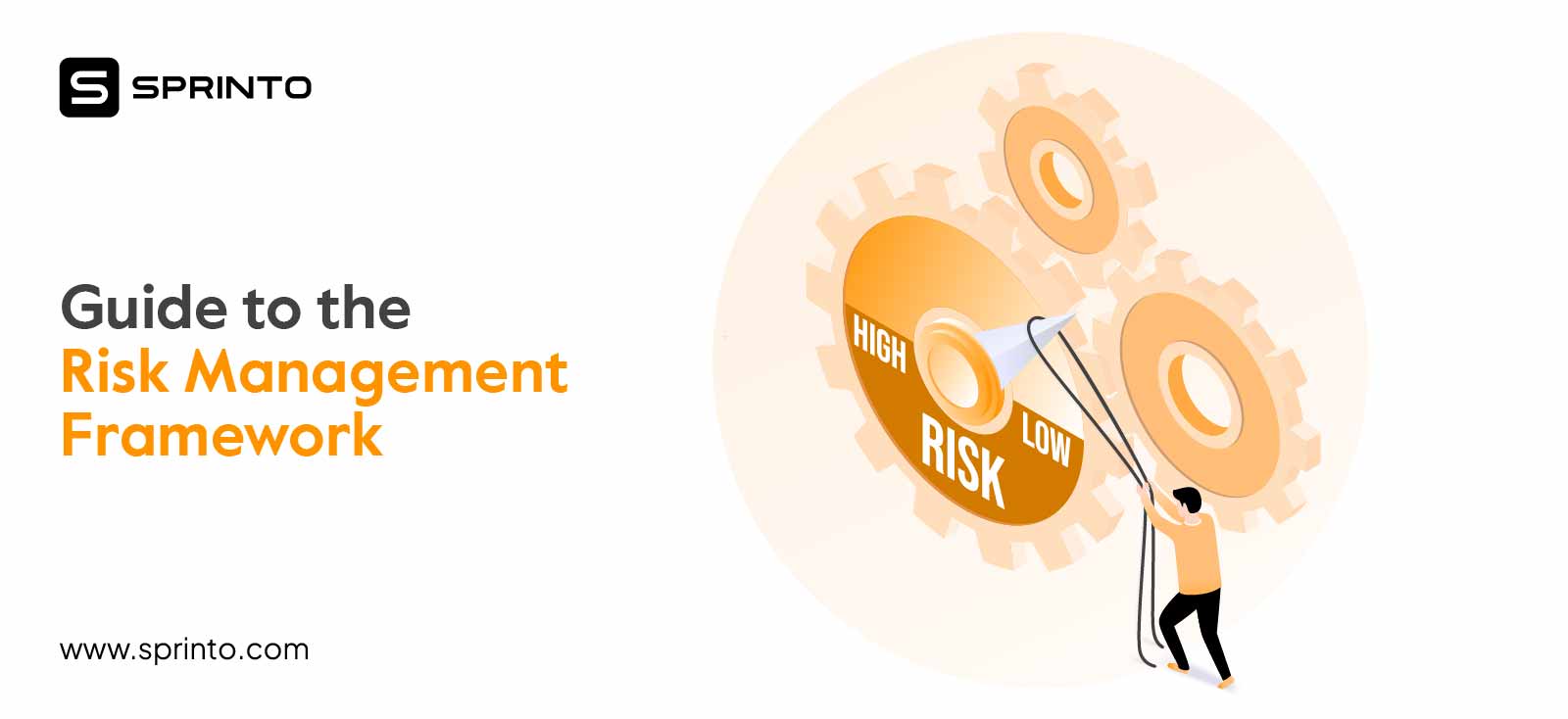
TL,DR: A risk management framework defines repeatable methods for identifying, assessing, treating, monitoring, and reporting organizational risks. Select NIST RMF, COSO, ISO 31000, ITIL, or PMBOK according to scope, industry, and objectives. Rolling out NIST RMF requires preparation, system categorization, control selection, assessment, authorization, and continuous monitoring. “Risk Management lets you appreciate the risk while…
TL,DR: NIST SP 800-53 provides security and privacy controls for federal and regulated environments. It includes 20 control families across access, incidents, risk, training, and system integrity. The article explains control families, implementation value, cross-mapping, and baseline security coverage. If you process highly sensitive data in your systems, a basic security checklist of individual actions…
TL,DR: NIST 800-171 applies to non-federal organizations handling Controlled Unclassified Information for federal work. DoD contractors and vendors must protect CUI during storage, processing, and transmission. The checklist helps teams prepare controls, documentation, and assessment readiness for NIST 800-171. NIST 800-171, or NIST SP 800-171, is a guideline issued by the National Institute of Standards…