Author: Pansy

Pansy is an ISC2 Certified in Cybersecurity content marketer with a background in Computer Science engineering. Lately, she has been exploring the world of marketing through the lens of GRC (Governance, risk & compliance) with Sprinto. When she’s not working, she’s either deeply engrossed in political fiction or honing her culinary skills. You may also find her sunbathing on a beach or hiking through a dense forest.
    cloud security controls
    ,
    A Guide to Cloud Security Controls and Frameworks
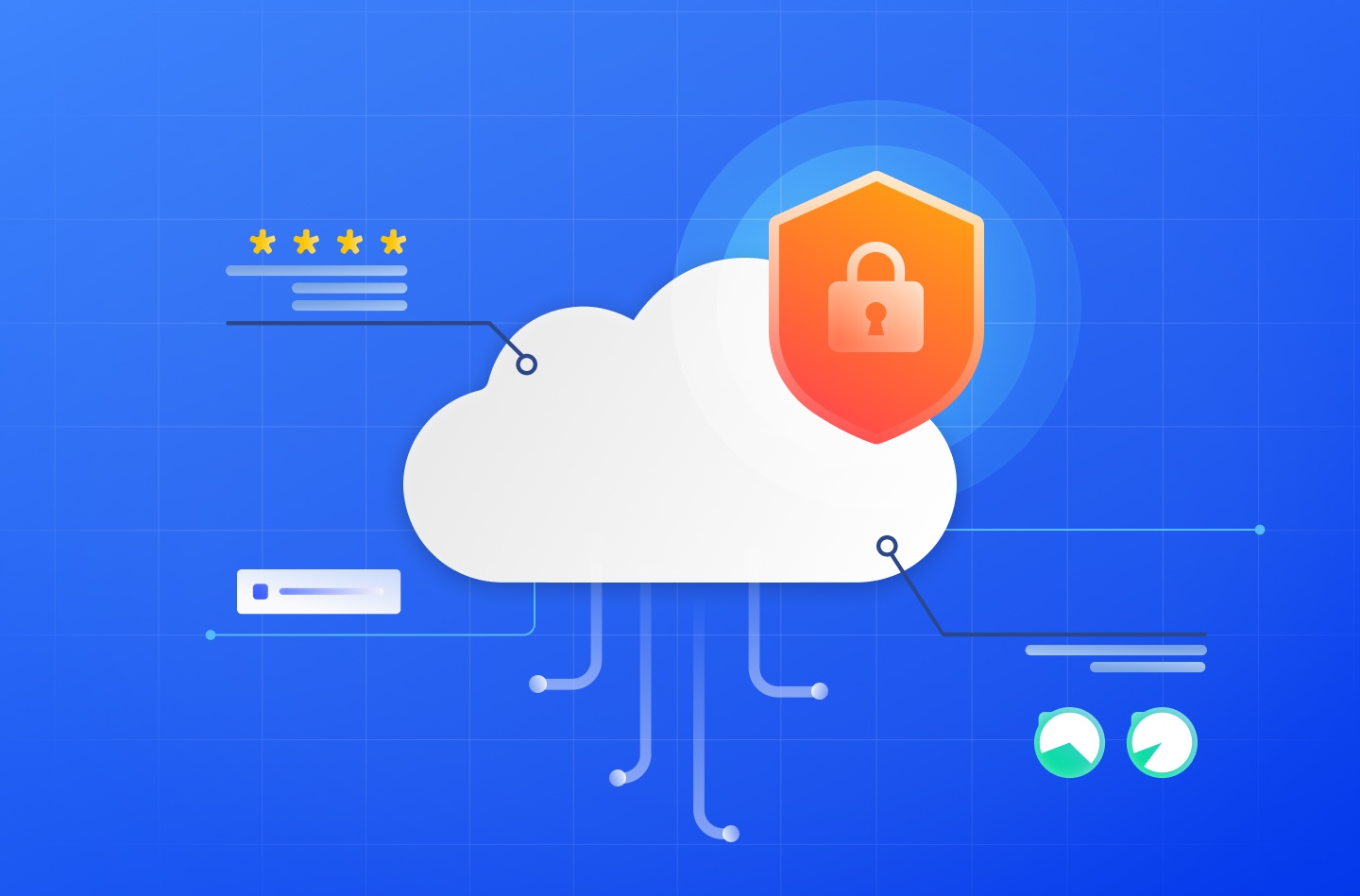
    TL;DR Cloud security controls are incomplete without visibility, automation, access management, integrations, and event management. Critical cloud security controls align with governance, risk management, and compliance monitoring functions.  Implementing a cloud security control model with GRC tools includes configuring IAM, automating monitoring, enabling continuous assessments, centralizing incident response, and monitoring metrics.  Cloud security controls are…
    Security posture
    ,
    What Is Security Posture and Why It Matters?
    TL,DR: Security posture shows how well your systems, assets, policies, and teams can resist attacks. It covers networks, software, data, access control, risk management, and recovery capabilities. The article explains posture assessment, metrics, weak signals, and ways to strengthen cybersecurity readiness. According to data by SpaceLift, over 96% of businesses are using public cloud systems…
    Cyber Threat Intelligence Feeds
    Cyber Threat Intelligence Feed: Real-Time Threat Detection and Response
    TL,DR: A cyber threat intelligence feed is a continuously updated data stream providing real-time information about potential cybersecurity threats including malware signatures, phishing campaigns, and indicators of compromise Four types of feeds serve different organizational needs: strategic (high-level trends for executives), tactical (attacker techniques for security teams), technical (specific indicators like malicious IPs), and operational…
    Third party risk management
    ,
    A Complete Guide to Third-Party Risk Management
    No CTO in their right mind trusts their vendors and contractors completely. Irrespective of their relationship, vendors will need to fulfill a due diligence baseline to qualify as a good fit and a safe choice. But what separates your company from being a secure one from a vulnerable one is the depth of your due…
    Benefits Of ERM
    ,
    Top Benefits of Enterprise Risk Management (ERM)
    TL,DR: Enterprise Risk Management (ERM) integrates risk identification, assessment, and management across all business units, aligning risk tolerance with strategic goals rather than addressing risks in isolated departments The 10 key ERM benefits include organizational growth, competitive advantage, increased management accountability, improved decision-making, stakeholder trust, regulatory compliance, operational resilience, reduced uncertainty, better resource allocation, and…
    Risk Monitoring
    ,
    Risk Monitoring: From Reactive To Proactive
    TL,DR: Risk monitoring is the ongoing surveillance of threats, control effectiveness, and risk management activities to support informed decision-making. NIST defines it as maintaining continuous awareness of an organization’s risk environment Three types exist: voluntary (proactive monitoring without legal obligation), obligated (driven by regulatory or contractual requirements), and continuous (real-time, automated, and the most effective…