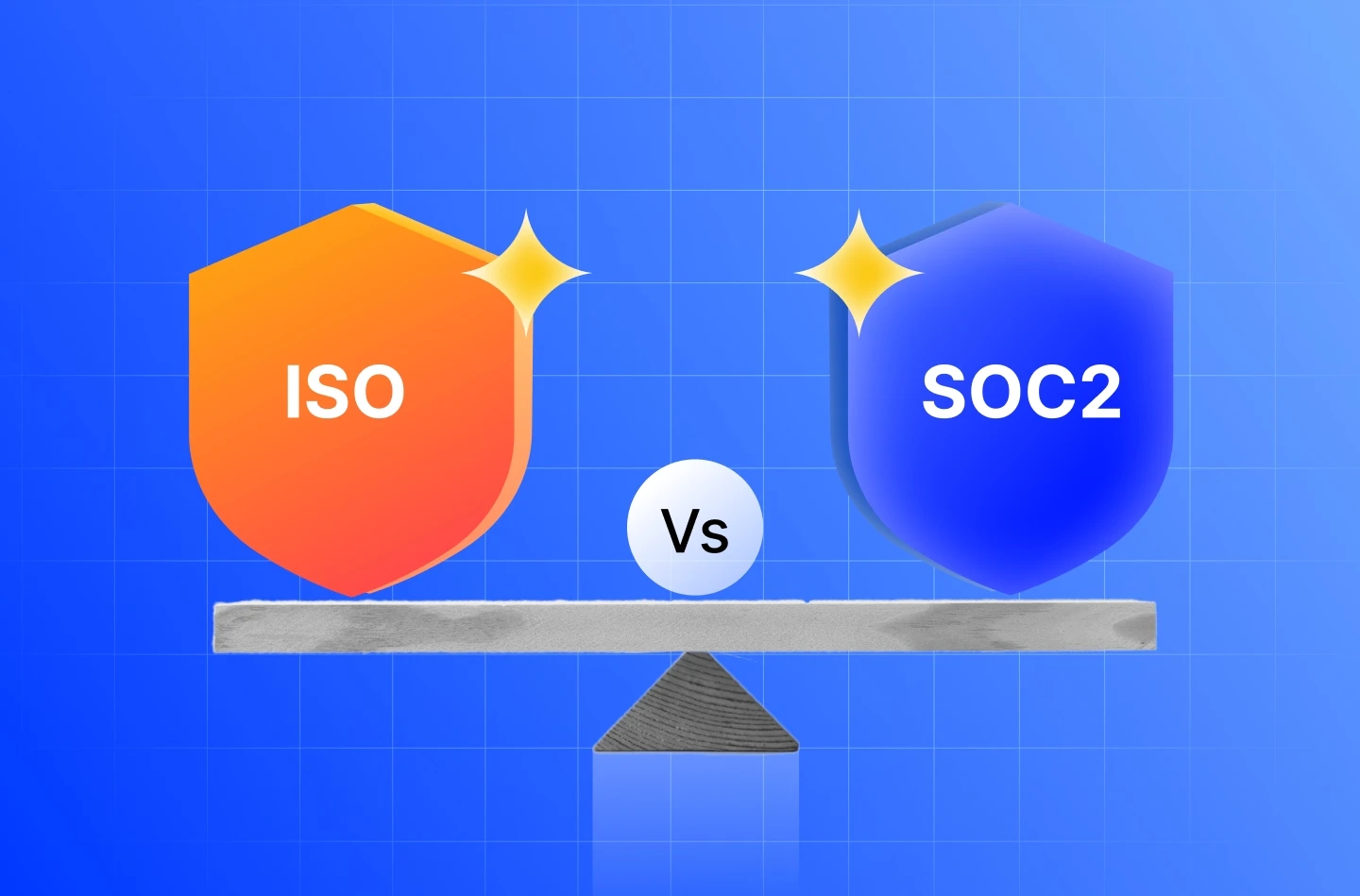
TL;DR SOC 2 and ISO 27001 have been the most common contenders in the compliance landscape, and many companies ask us which one they need. Is one better than the other? The answer depends on several factors and can vary depending on what you’re looking for. Read on to understand the differences and similarities between…
TL;DR If your company runs on AWS, GCP, or Azure, it is fair to assume physical security is mostly your cloud provider’s job. It is: the data center, the server racks, the power and cooling all sit with them. But ISO 27001 still expects you to prove that, and to cover the physical risks you…
Malware protection is a core requirement for ISO 27001 compliance, but many security and compliance teams underestimate the depth of what’s needed. It’s easy to install antivirus software across endpoints. What’s harder is proving that protection is consistently active, up to date, monitored, and backed by evidence that auditors will accept. For SMBs with lean…
If you’re pushing code to production every week and juggling compliance at the same time, the idea of a “Secure Development Policy” might sound like bureaucratic red tape. But if you’re aiming for ISO 27001 certification, it’s non-negotiable. Auditors expect not just secure code, but proof that your development practices are standardized, enforced, and continuously…
TL,DR: An ISO 27001 remote working policy defines how employees securely work outside office environments. It should cover device security, access control, networks, data handling, and incident reporting. Clear policies help reduce remote work risks and support audit readiness. Securing endpoints and enforcing consistent policies across a hybrid or remote workforce remains one of the…
TL;DR When systems process sensitive data and users have wide access, it’s critical to know exactly what’s happening, when, and by whom. Logging and monitoring gives you that visibility. It captures every meaningful action including access changes, configuration edits, and data updates, so you can track patterns, investigate issues, and respond with confidence. This isn’t…