TL,DR: NIST SP 800-137 provides a structured framework for Information Security Continuous Monitoring (ISCM) across 3 organizational tiers: Tier 1 for governance, Tier 2 for mission and business processes, and Tier 3 for information system operations Implementation follows 6 defined steps: define monitoring strategy, establish the ISCM program, implement monitoring capabilities, analyze and report findings,…
ISO/IEC 27001:2022 is one of the best-known international standards for building and maintaining an Information Security Management System (ISMS). For growing companies, the challenge is rarely understanding why the standard matters, but it’s translating requirements into repeatable controls, evidence, reviews, and audit readiness. With security becoming an increasingly important factor in enterprise buying decisions, companies…
TL,DR: DPIA helps identify privacy risks before processing personal data under GDPR Article 35. Run it for high-risk processing, including profiling, children’s data, biometrics, location tracking, or automated decisions. The article explains scoping, stakeholder input, risk evaluation, mitigation planning, and final DPIA reporting. Introduction Data Protection Impact Assessment (DPIA) is a part of the EU’s…
Bruce Schneier says, “Data is the pollution problem of the information age, and protecting privacy is the environmental challenge.” This quote double-clicks the importance of keeping data and privacy on the highest pedestal of protection. This is where the ISO 27701 certification comes in. ISO/IEC 27701:2019 serves as an essential tool for organizations. It is…
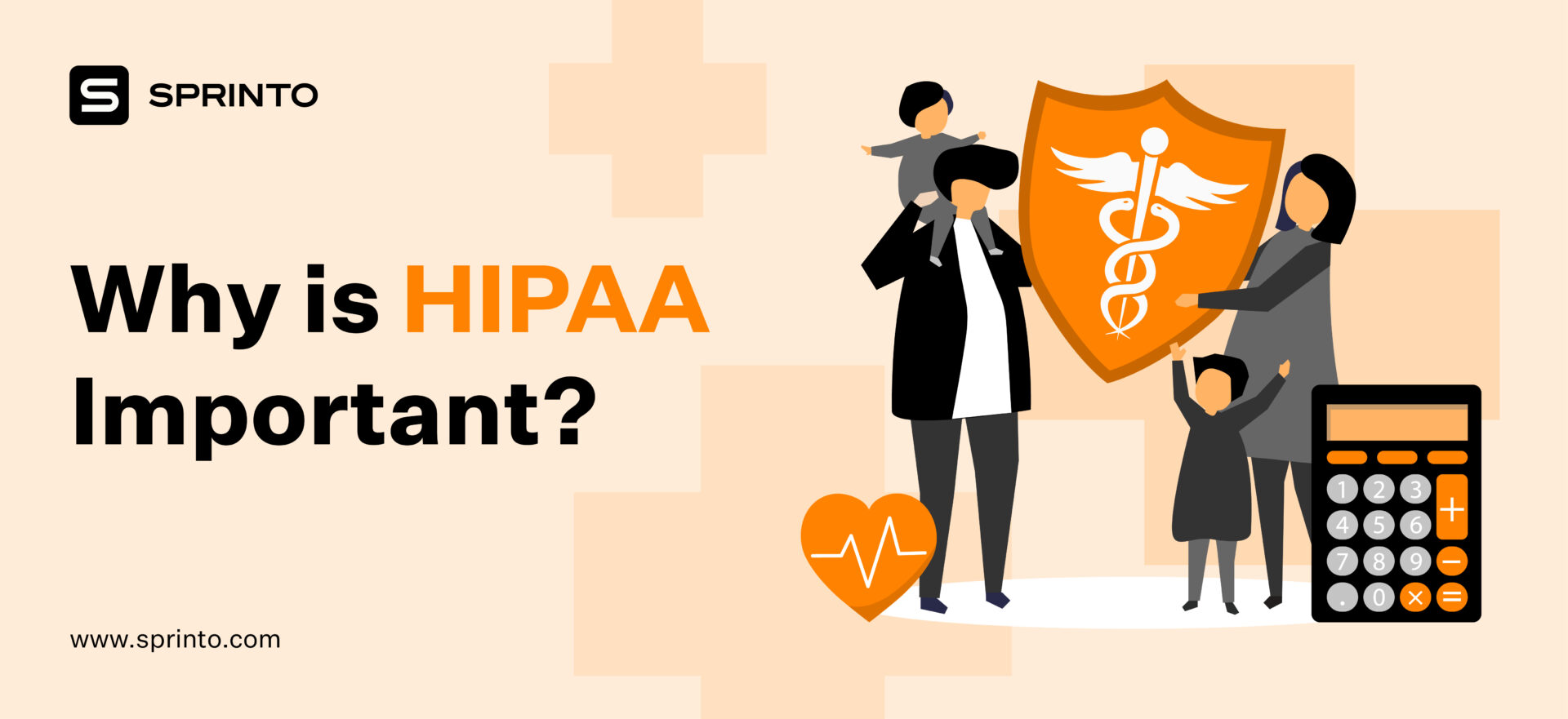
TL,DR: HIPAA is important because it protects patient privacy, giving individuals control over their medical records and holding healthcare organizations legally accountable for safeguarding sensitive health data. HIPAA grants patients critical rights, including accessing their data, correcting their medical records, and filing complaints if information is misused or shared without consent. Covered entities must secure…
TL,DR: Cyber risk quantification measures IT risks in financial terms, calculating frequency of occurrence, potential business impact, and disruption to key operations. It replaces guesswork with data-driven prioritization for CISOs and IT teams The U.S. Department of Defense states that threats, vulnerabilities, and impacts must be evaluated together to identify trends and allocate effort toward…