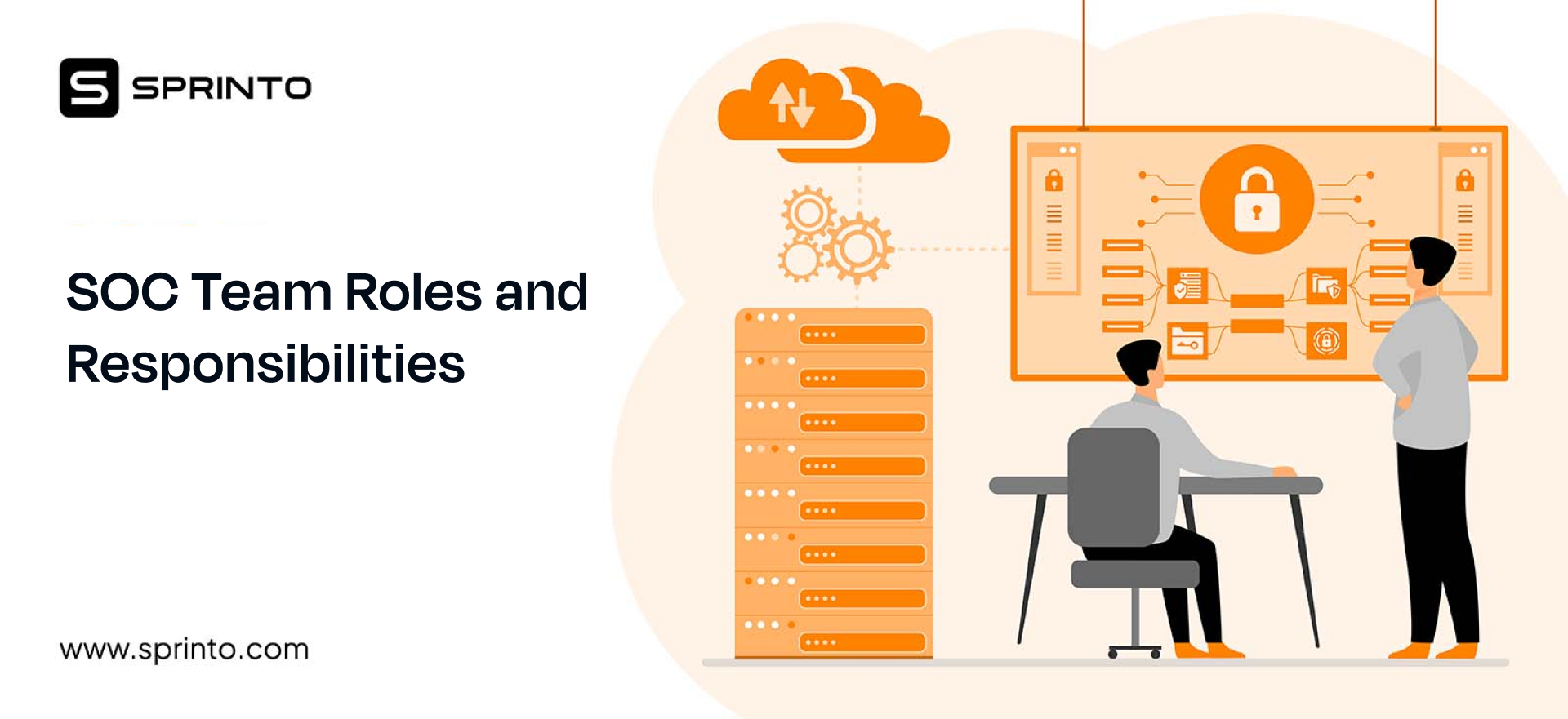
TL,DR: SOC teams monitor threats, prioritize alerts, escalate incidents, and protect complex technology environments. Clear roles decide who investigates, responds, reports, and improves detection quality. The article explains SOC structure, team responsibilities, workflows, and how security operations scale. Organizations face a constant barrage of cyber threats and newly discovered vulnerabilities every day. As technology infrastructures…
Information security is becoming a growing concern for cloud-hosted companies and the organizations are under constant pressure to meet the standard regulatory requirements. Understanding the differences between HITRUST vs SOC 2, although both HITRUST and SOC 2 compliance are industry-recognized certifications, will help cloud-hosted companies demonstrate privacy, security, and quality practices. TL;DR: The HITRUST certifications…
TL,DR: SOC 2 attestation is accessible to all qualifying CPA firms, not exclusive to select partners. The AICPA does not commission exclusive vendors for SOC 2 engagements despite claims from some vendors Common myths include believing SOC 2 is a one-time event (it requires continuous compliance), that only large enterprises need it (any service organization…
For many startups, a SOC 2 report is no longer a nice-to-have. It is often a baseline requirement for establishing trust with security-conscious customers and closing deals in SaaS and B2B environments. But preparing for a SOC 2 audit can be time-consuming, and before engaging an external auditor, most teams want to know: Are we…
Did you hear about the incident that happened with the dating app MeetMindful? Well, unfortunately, back in January 2021, they experienced a cybersecurity attack that resulted in the theft and leak of data belonging to over 2 million users. It’s quite alarming, as the hackers managed to get hold of sensitive information like users’ full…
TL;DR SOC 2 scope defines the parameters for evaluating internal controls, covering services, systems, policies, processes, and people assessed against 5 trust principles: security, availability, processing integrity, confidentiality, and privacy Preparing scope follows key steps: choose relevant Trust Service Criteria based on customer expectations, identify in-scope systems and infrastructure, define organizational boundaries, document subservice organizations,…