TL,DR: Regulatory change management tracks legal, policy, and control changes that affect audits and compliance. The article explains how poor change handling creates privacy, training, and evidence gaps. You’ll learn how to monitor obligations, update procedures, assign ownership, and stay audit-ready. Imagine this: You’re a 500-person company with ten departments, rolling out GDPR protocols since…
Have you ever found yourself pulled in different directions by organizational priorities, only to later face the repercussions of system downtime, technical vulnerabilities, or continuity issues? As a CIO, these challenges not only impact your IT department but can also reverberate throughout the entire organization, affecting customer satisfaction and operational efficiency. One crucial safeguard against…
TL,DR: Cybersecurity governance connects security strategy with risk appetite, accountability, policies, and business continuity. A working program needs requirements mapping, control frameworks, awareness training, SIEM, and audit proof. The article also covers governance benefits, including asset protection, regulatory alignment, reputation management, and incident readiness. The evolving threat landscape is giving rise to several new problems…
TL,DR: A governance model is a structured framework defining how data is managed throughout its lifecycle from creation and storage to maintenance and disposal, ensuring quality, compliance, and security Three main approaches exist: centralized (uniform standards but rigid), decentralized (agile but can lead to disjointed practices), and hybrid (balanced but requires careful planning and monitoring…
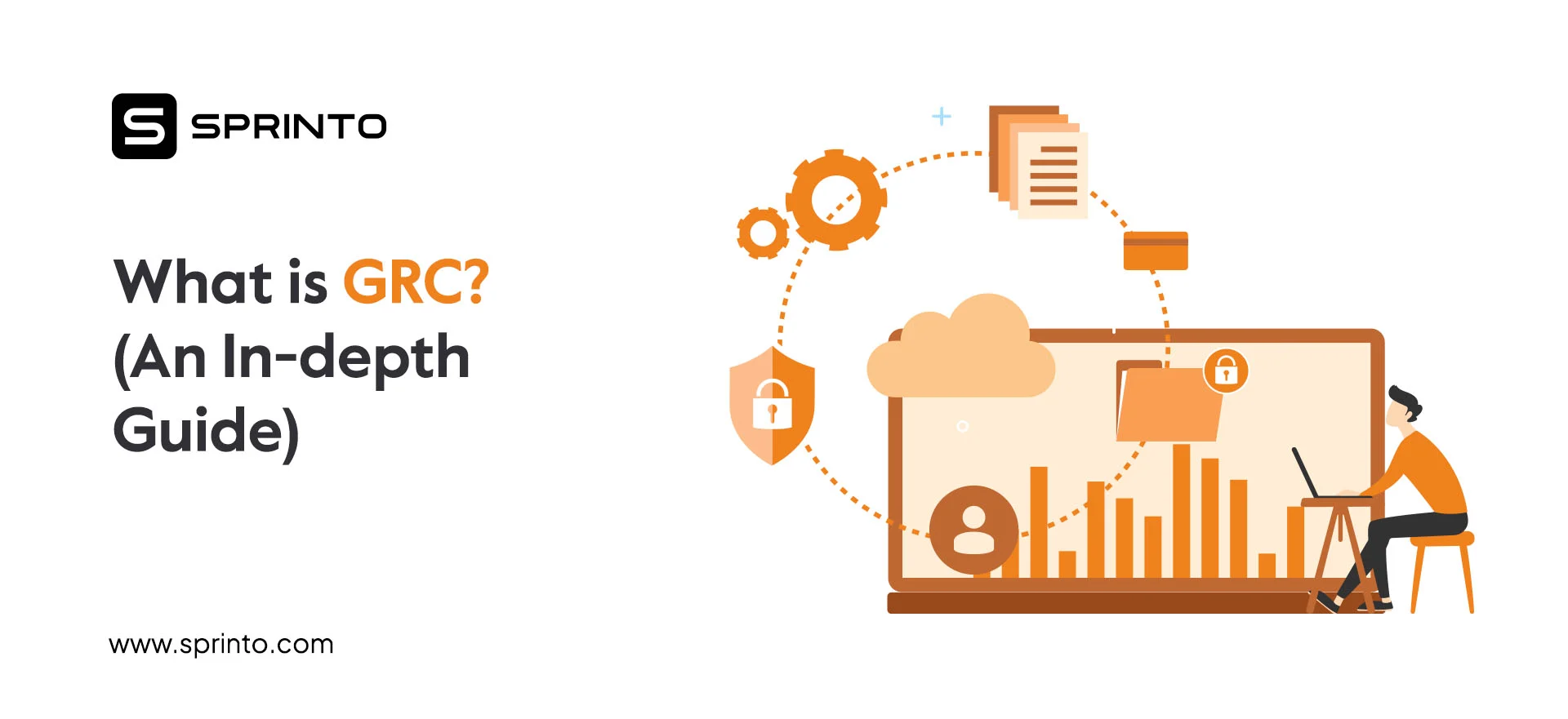
TL,DR: GRC brings governance, risk management, and compliance into one coordinated operating model. Governance sets direction, risk identifies exposure, and compliance keeps obligations audit-ready. The article explains GRC benefits, implementation steps, frameworks, and why siloed work fails. Co-ordinating people, processes, and technology while managing risks and staying compliant is easier said than done. Businesses often…
Governance, Risk, and Compliance (GRC) reporting has become a cornerstone of modern business strategy. As organizations expand their digital ecosystems, the need for transparency, accountability, and proactive risk management has never been greater. In fact, a recent study predicts a 50% rise in spending on GRC tools by 2026, underscoring its growing importance. Yet, with…