Author: Payal Wadhwa

Payal is your friendly neighborhood compliance whiz who is also ISC2 certified! She turns perplexing compliance lingo into actionable advice about keeping your digital business safe and savvy. When she isn’t saving virtual worlds, she’s penning down poetic musings or lighting up local open mics. Cyber savvy by day, poet by night!

    Incident Response Plan vs Disaster Recovery Plan
    Incident Response Plan vs Disaster Recovery Plan: Key Differences
    In the first 30 minutes of a ransomware detonation, two simple questions could decide the outcome: Can you stop the spread? And how fast can you get back up? And that is the line between an Incident Response Plan (IRP) and a Disaster Recovery Plan (DRP). One contains a blast radius, one focuses on business…
    ISO 42001 for Startups
    ISO 42001 for Startups: A Practical Guide to Responsible AI
    Startups today face immense pressure to adopt AI and ship features quickly. But as AI becomes increasingly embedded in products and processes, the tension between speed and security grows. Enterprise buyers demand greater transparency and investors want to understand how bias, data privacy, and AI risk is managed. This is where ISO 42001 comes in….
    GRC Components Explained: Governance, Risk, Compliance Overview
    ,
    Components of GRC? Governance, Risk, and Compliance
    TL,DR: A GRC framework integrates governance, risk management, and compliance into a unified strategy, aligning security operations with business objectives while meeting regulatory requirements. The three core components are governance (oversight that aligns practices with goals), risk management (identifying and mitigating internal and external threats), and compliance (adhering to legal and industry regulations). Effective governance…
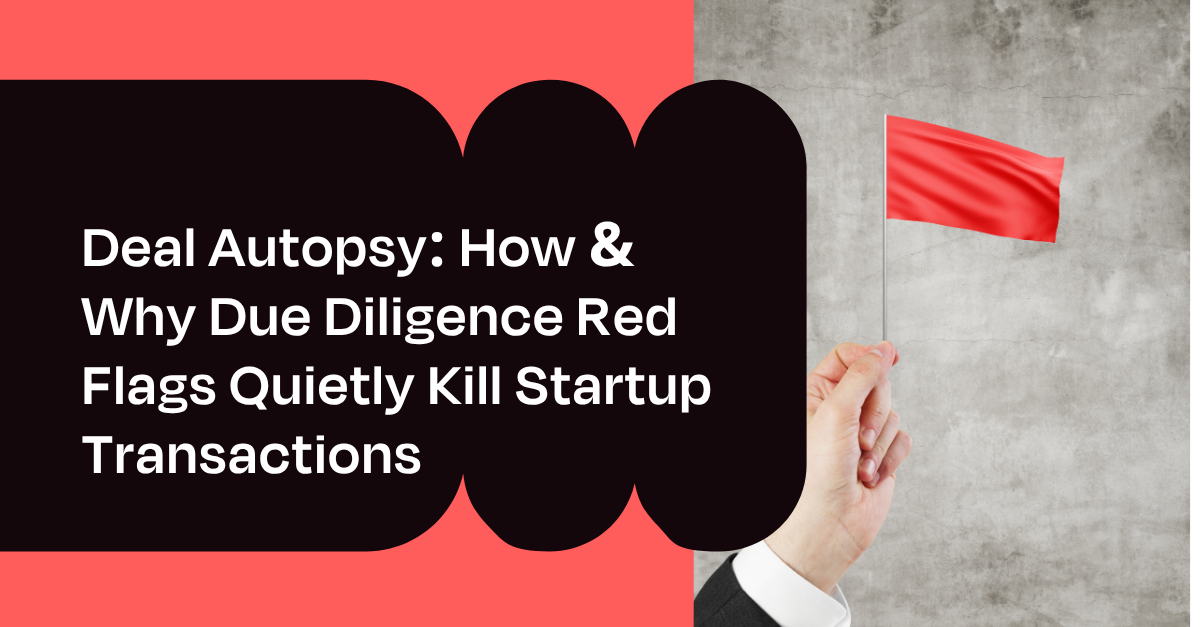
    Red Flag due diligence
    Deal Autopsy: How & Why Due Diligence Red Flags Quietly Kill Startup Transactions
    TL; DR Red-flag due diligence is the investor’s or buyer’s focused review of risks that could delay, reduce, or kill a startup transaction, including financial irregularities, legal disputes, regulatory exposure, weak cybersecurity, and missing compliance evidence. Common due diligence red flags include disorganized documentation, inconsistent records, unresolved legal or regulatory issues, security noncompliance, missing policies…
    ISO 27001 Remote Working Policy
    ,
    How to Create an ISO 27001 Remote Working Policy That Passes Audit
    TL;DR An ISO 27001 remote work policy outlines how your organization protects sensitive information when employees work outside the office and links remote work controls to the broader Information Security Management System (ISMS). ISO 27001:2022 Annex A.6.7 requires organizations to manage remote-work risks through appropriate security measures, including secure access, encrypted communication, device security, data…
    ISO 27001 Logging and Monitoring Policy
    ,
    ISO 27001 Logging and Monitoring Policy: Requirements, Objectives, and Best Practices
    When systems process sensitive data and users have wide access, it’s critical to know exactly what’s happening, when, and by whom. Logging and monitoring gives you that visibility. It captures every meaningful action including access changes, configuration edits, and data updates, so you can track patterns, investigate issues, and respond with confidence. This isn’t just…