TL,DR: A GRC team becomes necessary when compliance work outgrows informal ownership and manual tracking. Core roles include CISO, GRC Lead, Risk Analyst, Compliance Officer, and Auditor. The guide maps team maturity from ad hoc compliance to integrated, AI-assisted risk governance. Around the 100 to 200 Full-Time Employees (FTE) mark, most mid-market SaaS companies start…
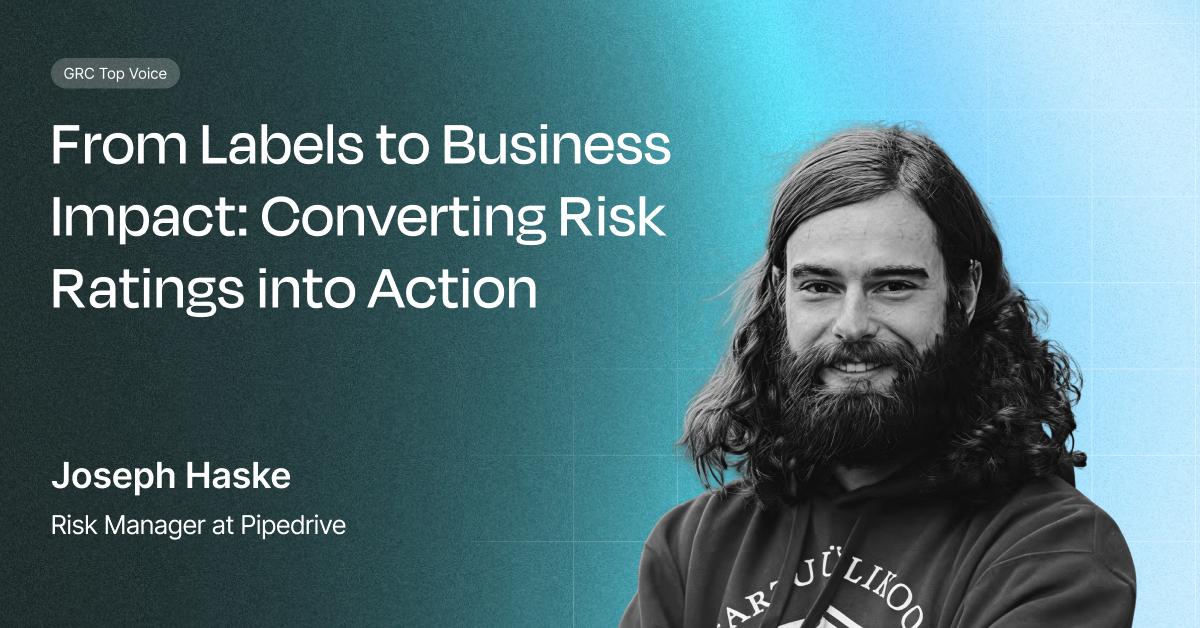
In conversation with Joseph Haske, Risk Manager at Pipedrive This blog is part of Sprinto’s GRC Top Voice series — where we bring you candid conversations with GRC Leaders. Watch the full episode here → Every organization wants to be data-driven. Yet in many boardrooms, risk discussions still sound vague: “That’s a high risk,” “This one’s…
Policies are fundamental to every strong governance, risk, and compliance (GRC) program. Effective GRC policy management sets the tone and creates the structure that organizations need to operate with integrity and accountability. Policies help turn high-level governance into a daily practice, shape how risks are anticipated and managed, and anchor compliance in clear, repeatable actions….
Do you know that 44% of organizations plan to implement GRC or upgrade their existing implementation? Why so? Because GRC audits are proving to be an eye-opener for organizations so that they can optimize their GRC processes and controls. This helps businesses stay on top of their security and compliance game. Regular GRC audits are…
TL,DR: GRC has three core components: governance sets direction, risk management handles threats, and compliance proves obligations. The article explains how integrated GRC reduces silos across IT, finance, legal, and HR. Use it to understand accountability, policy frameworks, control mapping, audits, and regulatory alignment. Every business has always needed strategic direction, practices that minimize risks,…
TL,DR: The GRC risk management process connects governance, compliance, and risk mitigation. It helps organizations identify risks, assign ownership, implement controls, and track remediation. Centralized workflows improve visibility, accountability, and audit readiness. In an age where cyberattacks, vendor breaches, and regulatory heat can cripple operations overnight, a strong GRC risk management process keeps modern businesses…