TL,DR: DSPM helps organizations discover, classify, and protect data across cloud and local environments. It checks sensitive data exposure, policy enforcement, misconfigurations, and overly permissive access. The article compares DSPM use cases with CSPM and CIEM across compliance, lifecycle protection, and scalability. The traditional security strategies focused on securing the perimeters to protect internal networks….
TL,DR: SSPM helps organizations monitor and secure SaaS applications, settings, users, and integrations. It reduces risks from misconfigurations, excessive permissions, shadow IT, and weak access controls. Continuous visibility and automated checks help SaaS teams maintain stronger security. Most security solutions provide an initial layer of protection for threat detection and response. But they are limited…
TL,DR: Cyber threat intelligence is information gathered, processed, and analyzed to understand why threat actors attack, whom they target, and how they execute. It shifts organizations from reactive to proactive security postures Threat intelligence differs from threat data: data is a list of potential threats, while intelligence examines context to create narratives that guide decision-making…
Your software is like a set of instructions for your device, consisting of thousands of lines of code. Sometimes, there are mistakes or weaknesses in these lines of code. Bad actors use these weaknesses to hack into your systems, similar to a burglar finding an open window. Is there a way to Without cybersecurity, it’s…
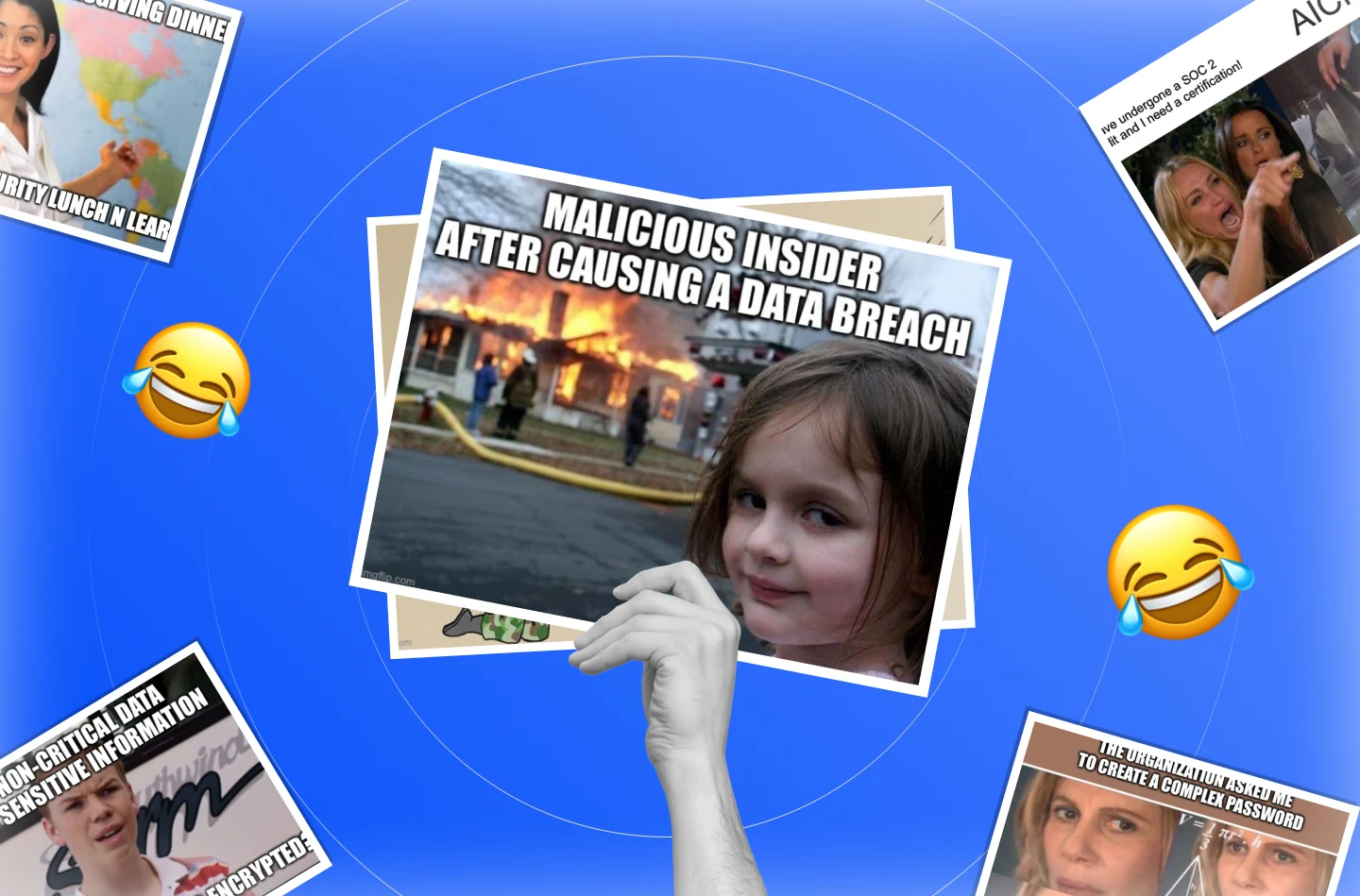
Compliance, a complex subject, stirs varied emotions in businesses. First-timers find it overwhelming, juggling complex requirements and legal jargon. Ensuring everything gets done is easier said than done, but compliance memes add a touch of humor to the challenge. Some also see compliance as a mere checklist item—a necessary endeavour that is largely prompted by…