TL;DR Internal audit software has moved way past spreadsheets. The best tools today automatically monitor controls, collect evidence, and stay audit-ready year-round. The right tool depends on your stage: Sprinto for autonomous audit management at any size; AuditBoard and TeamMate+ for large enterprise audit functions; Workiva for public companies tying audits to financial reporting; Vanta…
TL;DR Privacy management software automates compliance with regulations like GDPR and CCPA, managing consent and safeguarding data through data mapping, privacy impact assessments, and DSARs. The blog compares 10 platforms, including Sprinto, OneTrust, Securiti, DataGrail, and Transcend, each evaluated on key features, pros, and cons. Essential capabilities include automated data mapping and discovery, DSAR automation…
TL;DR BCM tools help organizations prepare for and recover from disruptions. Key features include business impact analysis, dependency mapping, crisis communication, risk tracking, vendor oversight, automation, and audit-ready reporting. Platforms like Fusion, Archer, and MetricStream are often used by highly regulated enterprises with dedicated BCM teams. Everbridge focuses on crisis alerts. Sprinto supports both growing…
Businesses today survive by the strength of their digital defenses. With cybercrime costing the global economy trillions yearly, companies cannot afford blind spots. That’s where a security auditor steps in. They’re the ones who dig past the surface to see if security measures actually hold up under pressure. For companies, this role involves more than…
TL,DR: Google’s Big Sleep (formerly Project Naptime), developed with Project Zero and DeepMind, used a Large Language Model to detect a previously unknown stack buffer underflow vulnerability in the SQLite database engine in November 2024 This marks the first publicly documented case of an AI agent discovering a zero-day vulnerability in widely used real-world software…
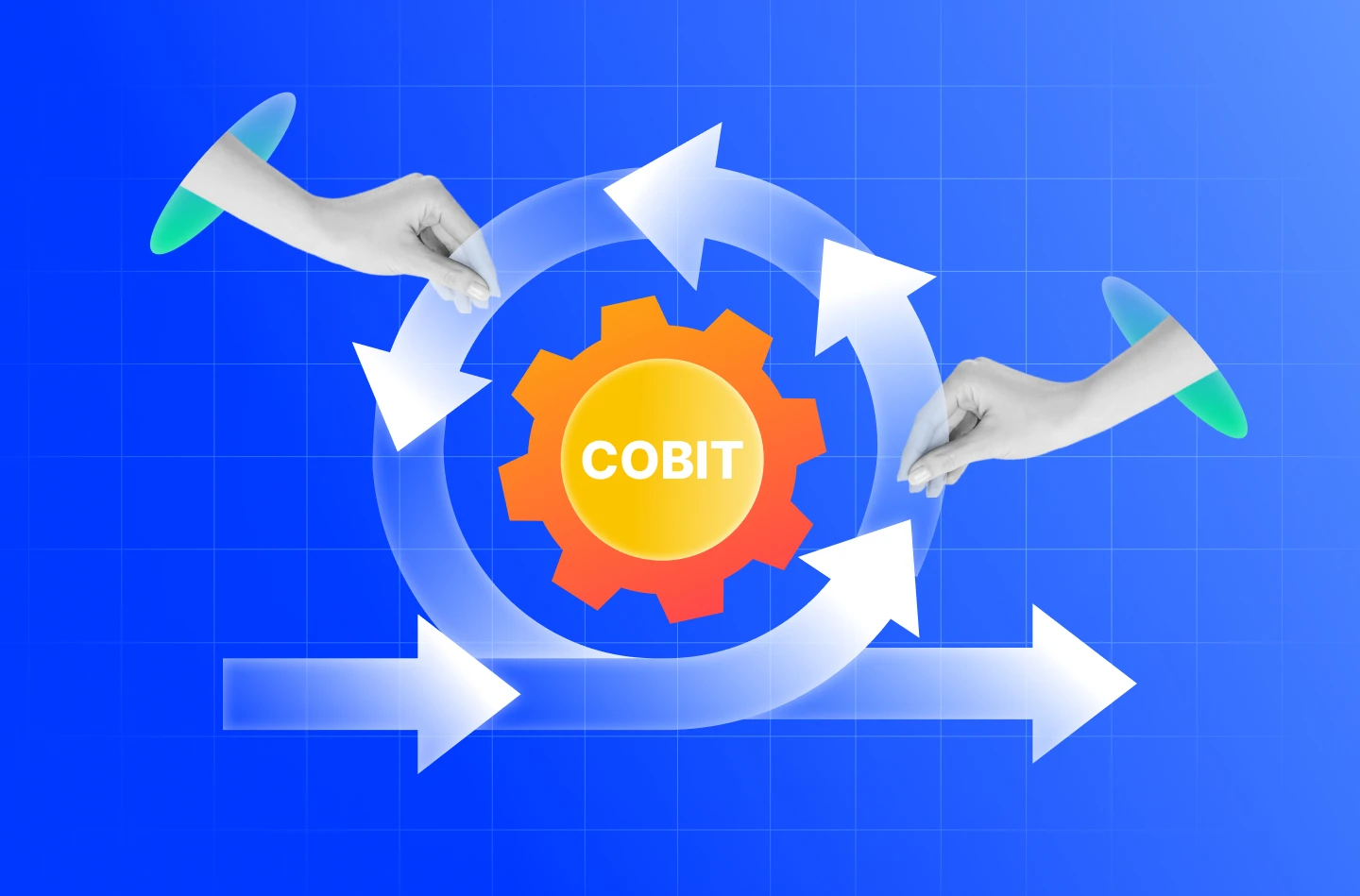
TL,DR: COBIT is an ISACA IT governance framework aligning technology processes, risk management, compliance, and business goals. Its principles separate governance from management, address stakeholder needs, and tailor controls to enterprise context. Rollout follows six stages: assess maturity, define scope, plan, customize, monitor performance, and improve continuously. As organizations increasingly rely on IT and rapidly…