Internal audit management has come a long way. Traditionally, it relied heavily on manual processes—auditors would go through piles of documents to spot policy violations and check compliance. It was slow, labor-intensive, and often a constant game of catch-up. However, as organizations face more complex risks and stricter regulations, this approach no longer cuts it….
TL,DR: Compliance issues arise from unclear ownership, manual workflows, policy gaps, and changing regulations. These gaps can increase audit delays, penalties, security risk, and operational inefficiency. Automation, clear accountability, training, and continuous monitoring help address compliance challenges. According to PwC’s Global Risk Survey 2023, 40% of surveyed business and risk leaders reported improving their organization’s…
TL,DR: Compliance management tracks whether systems, policies, and employees meet legal and regulatory obligations. The process starts with identifying laws, assessing risks, writing rules, and training employees. Ongoing policy reviews, audits, and monitoring keep the program aligned as requirements change. Just as a citizen has to obey the rules and laws of their country, a…
If you’re using AWS EC2 (Elastic Compute Cloud) for your infrastructure, you might be wondering if you need to do anything to meet the security standards for handling government data. The good news is that your cloud service provider has already taken care of that with FedRAMP (Federal Risk and Authorization Management Program). FedRAMP sets…
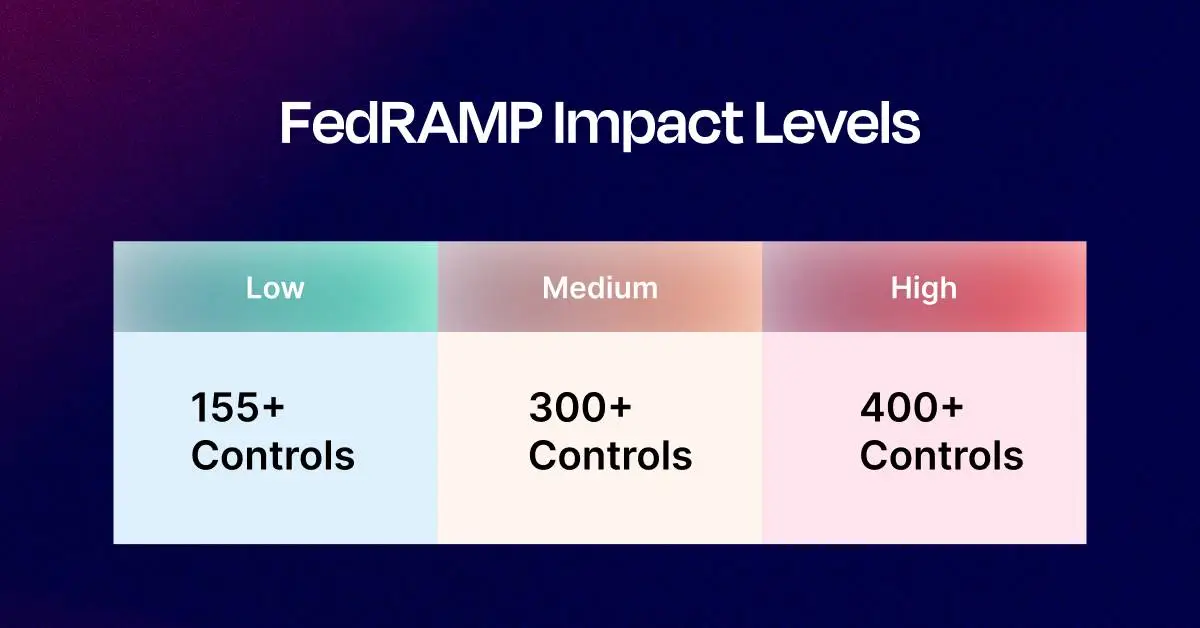
Cloud Service Providers (CSPs) aiming for FedRAMP authorization must categorize their systems’ security impact levels as per FIPS 199, a NIST standard. However, there’s always an initial confusion of how accurately you can categorize systems. Misclassifying systems, either by over-securing or under-protecting, often cause a delay in authorization or expose sensitive data to risks. So,…
TL,DR: 38% of companies already outsource parts of their compliance to stay audit-ready without sacrificing focus on growth. Outsourcing companies monitor regulatory updates, conduct risk assessments, and implement changes proactively Benefits include access to specialized expertise, reduced internal resource burden, scalable solutions that adapt to organizational size, faster time to certification, and lower overall compliance…