Sucheth is a Content Marketer at Sprinto and holds CompTIA Security+. He helps security and GRC teams to navigate audits: what each framework requires, what auditors ask for, and what it costs to maintain.
TL,DR: A vendor relationship management framework governs engagement, monitoring, contracts, and performance reviews. It reduces delays, financial losses, compliance failures, and unclear accountability across vendor work. The article explains how to build structured, long-term vendor relationships with measurable oversight. “83% of companies only discover vendor risk after engagement, and 31% of those risks lead to…
TL,DR: Vendor governance aligns third-party relationships with risk appetite, compliance needs, and business goals. It defines ownership, review cadence, accountability, and escalation before vendor risk slips. Strong programs classify vendors by risk tier and connect contracts, performance, and compliance. The weakest link in a company’s security chain usually wears another company’s logo. Most organizations trust…
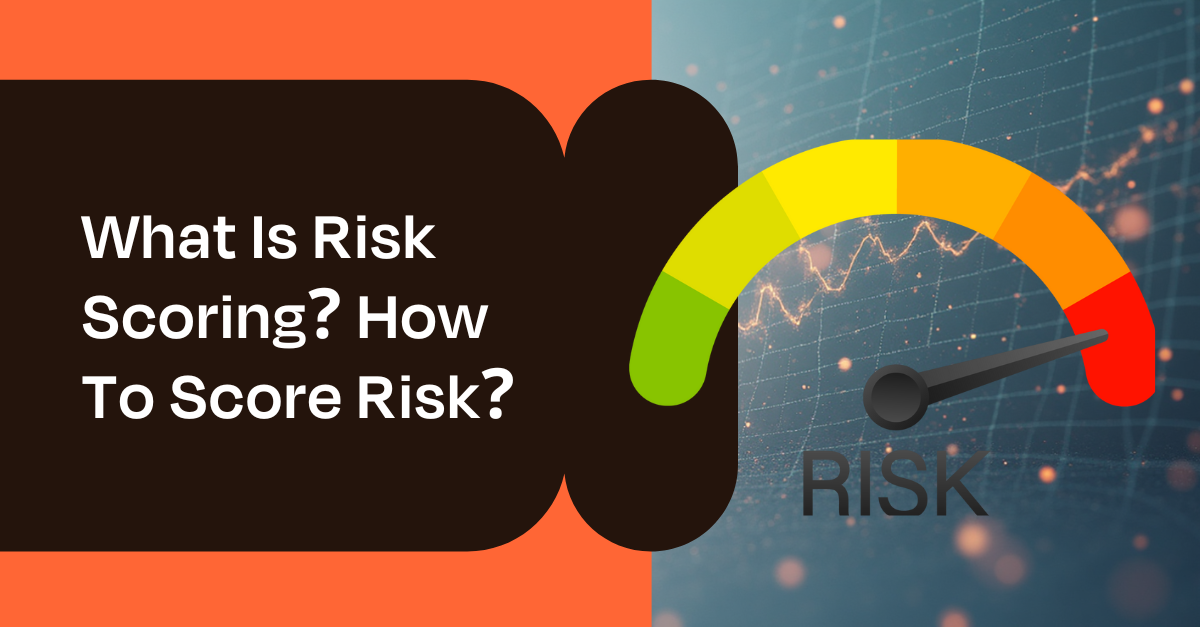
TL,DR: Risk scoring turns scattered threat signals into ranked scores based on likelihood and business impact. A shared scoring model reduces debate when teams compare security, vendor, and operational risks. The article explains tiers, continuous monitoring, threat intelligence, AI inputs, and prioritization workflows. Most security programs hit the same wall—risks pile up faster than the…
As you grow beyond early-stage SaaS, enterprise buyers stop accepting trust-me slides. They want proof that the vendors, processors, sub-processors, and partners in your ecosystem are secure, resilient, and reviewed on a repeatable cadence. That is where a third-party risk management (TPRM) program helps. The goal is not to send a 200-question assessment to every…
A GRC system helps companies stay audit-ready, automate evidence gathering, and obtain real-time risk visibility across departments and vendors by centralizing governance, risk, and compliance procedures. Without one, compliance issues often surface during audits when flaws in the governance process or vendor oversight are found. Studies say companies that use manual processes are more likely…
TL,DR: GRC incident management connects incident response with risks, controls, audits, and reporting obligations. The article recommends a loop: detect, triage, escalate, CAPA, evidence, and review. Use it to track security events, vendor issues, audit findings, and privacy incidents in one process. Most mid-market teams still split incident management and GRC: Ops handle tickets while…