Shivam is our in house cybersecurity sage with over six years of experience in cybersecurity under his belt. He is passionate about making the digital world safer for everyone and whipping up Indian delicacies on the weekend.
TL;DR HIPAA automation uses technology to streamline compliance tasks like evidence collection, risk assessments, and audit preparation while protecting Protected Health Information (PHI). It replaces manual, error-prone processes with automated workflows that maintain consistent privacy controls and audit trails. Cybersecurity is a complex yet crucial system that requires clearly defined rules, limitations, regulations, and methodologies….
TL,DR: A PCI vulnerability scan is an automated test identifying potential network vulnerabilities. PCI DSS requires all organizations to conduct both internal and external scans at least quarterly and after substantial network changes External scans must be performed by a PCI SSC Approved Scanning Vendor (ASV) covering public-facing systems. Internal scans focus on hosts, servers,…
The significance of cybersecurity is growing. The world now depends on technology more than ever before, and there are no signs that indicate a possible reversal. Organizations can no longer exclusively rely on standard cybersecurity solutions like firewalls and antivirus software. Hackers are consistently improving their strategies and are now able to easily penetrate traditional…
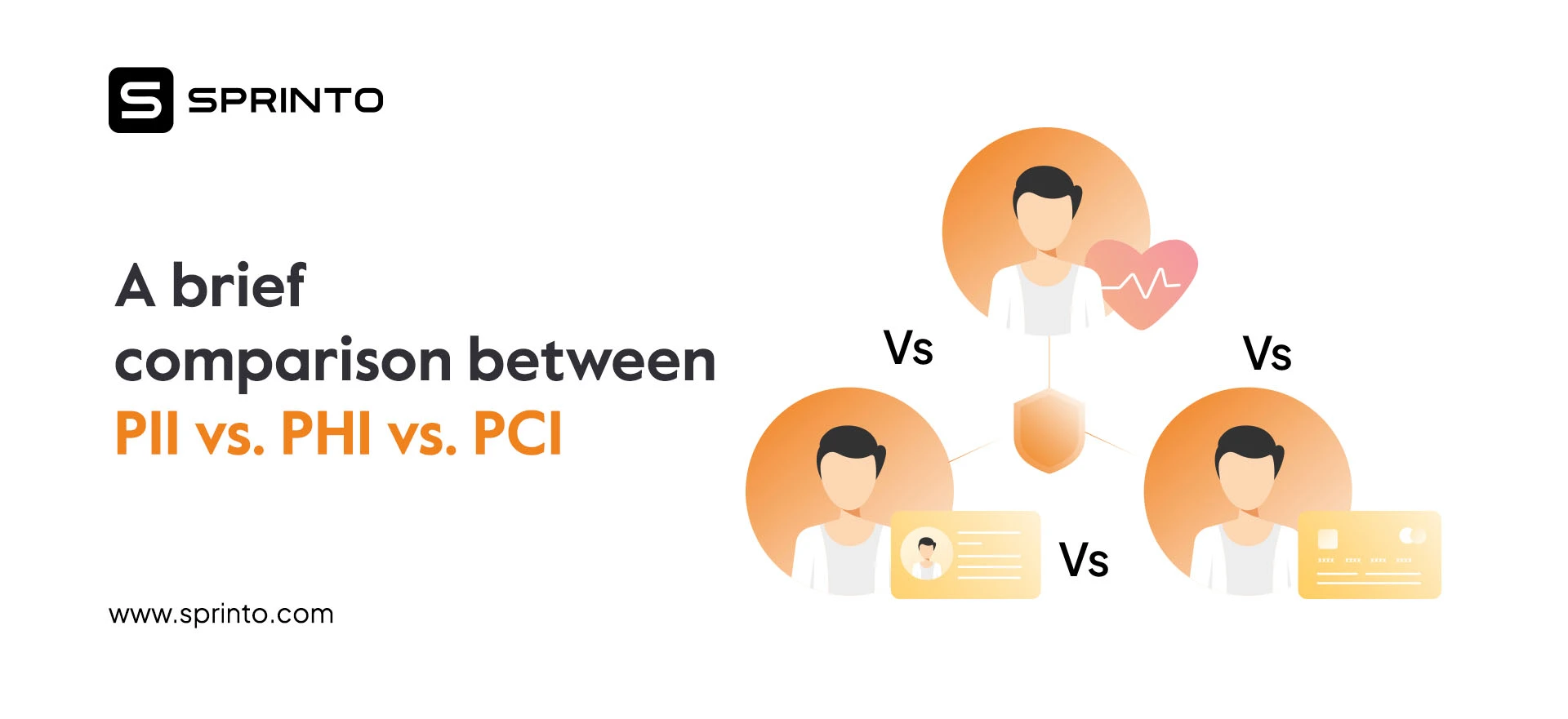
TL,DR: PII identifies a person, PHI links identity to health data, and PCI covers cardholder data. Each data type carries different privacy, security, and regulatory protection requirements. The article compares examples, applicable standards, risk exposure, and safeguards for each category. The protection of personal information is becoming critical for businesses worldwide in an increasingly digital…
TL,DR: Cyber security compliance ensures organizations meet required security laws, frameworks, and customer obligations. It helps reduce breach risk, improve trust, and avoid penalties. A strong program includes policies, controls, risk assessments, audits, and continuous monitoring. The advancement in technology has given rise to a multitude of cyber threats not just for individuals but for…
TL,DR: NIST CSF implementation tiers show how organizations manage cybersecurity risk in practice. Tiers connect policy, business processes, technology, and risk management discipline. The article explains tier progression, current-state assessment, target-state planning, and risk-based improvement. The National Institute of Standards and Technology’s (NIST) Cybersecurity Framework (CSF) is one of the most helpful and adaptable frameworks…